

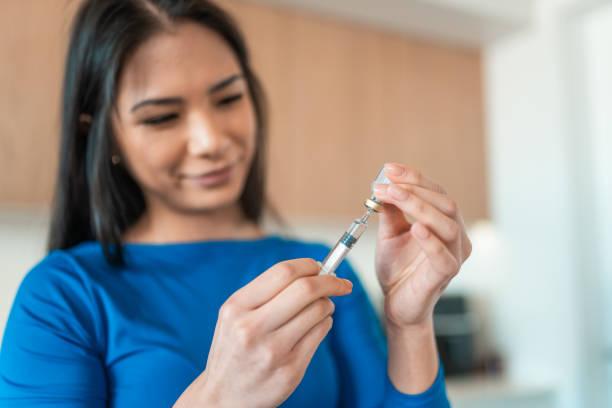
Understanding Peptides and Their Role in Wellness
Peptides are short chains of amino acids, the building blocks of proteins, that play important roles in the human body. They participate in numerous biological processes, including hormone signaling, immune responses, tissue repair, and cellular communication. Because of these functions, peptides have attracted growing interest in wellness, skincare, fitness, and healthy aging. However, their effects depend on the specific peptide, its intended use, and the available scientific evidence.
Interest in peptides in saudi arabia has grown alongside broader discussions about personalized wellness and science-based approaches to health. Although some peptide-based medicines have established medical applications, not every peptide marketed for wellness has demonstrated reliable benefits in humans. Understanding the difference between proven medical treatments and experimental products is essential before considering any peptide-based approach.
What Does Peptide Treatment Involve?
Peptide treatment refers to the use of specific peptides for a particular medical or wellness-related purpose. Some approved medicines use peptides or peptide-like compounds to manage certain health conditions. Other products are promoted for muscle recovery, skin health, weight management, or healthy aging, but their effectiveness and safety may vary considerably.
How Peptides Work in the Body
Different peptides interact with different receptors and biological pathways. Some act as signaling molecules, helping regulate processes such as metabolism or hormone activity. Others are being investigated for their potential effects on inflammation, tissue healing, and cellular function. These mechanisms are complex, and results observed in laboratory studies do not automatically translate into meaningful health benefits for people.
Different Types of Peptide Products
Peptide-based products include approved prescription medicines, topical skincare ingredients, and experimental compounds sold through various channels. Certain peptide ingredients in skincare may support hydration or improve the appearance of fine lines, depending on their formulation and supporting evidence. Injectable peptides promoted for muscle growth, recovery, or longevity require much greater caution, particularly when they lack appropriate regulatory approval or robust human clinical research.
What Does Scientific Evidence Say About Peptides?
Scientific evidence varies significantly across peptide categories. Some peptide-based medicines have undergone extensive clinical trials and are used for specific medical indications. Their benefits, limitations, and potential adverse effects are evaluated through established regulatory processes.
Other peptides remain under investigation. Preliminary laboratory findings or small studies may suggest possible benefits, but stronger clinical trials are needed to establish whether these products are effective and safe for routine use. Claims that a peptide can reverse aging, dramatically accelerate recovery, or improve overall vitality should therefore be assessed carefully.
Peptides and Skin Health
Certain peptides are used in skincare formulations designed to support the appearance of smoother, healthier-looking skin. Their effects depend on the ingredient, concentration, formulation, and ability to reach the relevant skin layers. While some products may offer cosmetic benefits, results should not be confused with proven treatments for deeper skin damage or medical skin conditions.
Peptides and Physical Recovery
Some experimental peptides are promoted for muscle recovery, tissue repair, and exercise performance. However, evidence supporting many of these claims remains limited. Products that influence growth-related pathways or hormone activity may carry risks, and their long-term effects are not always understood. Proper nutrition, sufficient sleep, appropriate exercise, and evidence-based medical care remain important foundations of physical recovery.
Potential Benefits and Safety Considerations
The potential benefits of peptide treatment depend on the specific compound and its approved or intended use. A medically indicated peptide medicine may provide meaningful benefits when prescribed appropriately, while an unproven wellness product may offer uncertain results.
Safety is equally important. Possible concerns include allergic reactions, injection-site complications, contamination, incorrect dosing, and unexpected effects on hormone levels or metabolism. Unregulated products may also contain inaccurate ingredient concentrations or undisclosed substances.
Before starting Peptides Treatment in Riyadh, individuals should discuss their goals, medical history, current medications, and possible risks with a qualified healthcare professional. It is important to verify the product's regulatory status and understand whether reliable human studies support its intended use. Treatment decisions should be based on medical assessment rather than promotional claims.
Choosing a Responsible Approach to Peptide Wellness
A responsible wellness plan begins with realistic expectations and reliable information. Rather than assuming that all peptides provide similar benefits, individuals should identify their specific concerns and explore options supported by appropriate scientific evidence.
A qualified healthcare professional can explain established treatments, discuss experimental approaches where relevant, and help determine whether a proposed intervention is appropriate. Avoiding products with unclear ingredients, unsupported promises, or inadequate safety information can reduce unnecessary risks.
Sustainable wellness also involves balanced nutrition, regular physical activity, quality sleep, stress management, and preventive healthcare. Peptides should not be viewed as a universal solution or a replacement for these essential habits.
Frequently Asked Questions
What are peptides used for in wellness?
Peptides have various biological roles, and some are used in approved medicines or skincare products. Other applications, including muscle recovery and healthy aging, remain under investigation and may lack sufficient clinical evidence.
Is peptide treatment scientifically proven?
Some peptide-based medicines have strong clinical evidence for specific medical conditions. However, evidence differs between products, and many peptides marketed for general wellness have not been adequately studied in humans.
Are peptide treatments safe for everyone?
No. Safety depends on the specific peptide, its formulation, dosage, medical indication, and individual health factors. Professional medical assessment is important before considering treatment.
Can peptides improve skin appearance?
Some topical peptide formulations may help improve the appearance of skin, although results vary. Evidence for cosmetic products should not be applied automatically to injectable or experimental peptides.
How can I explore peptide treatment in Riyadh?
Start by consulting a qualified healthcare professional who can explain the available evidence, assess your health needs, and discuss appropriate treatment options. Ask about product quality, regulatory approval, potential side effects, and realistic expectations.
Short Consultation at Enfield Royal Clinic
If you are interested in learning more about peptide-based wellness and its potential applications, Enfield Royal Clinic can be a starting point for discussing your concerns and exploring suitable healthcare options. Seek a professional assessment to understand which approaches are appropriate for your individual needs, what scientific evidence supports them, and what safety considerations should guide your decision. An informed consultation can help you make thoughtful choices about your wellness journey.












 Vietnam