

Adult acne is a common skin concern that can affect people well beyond their teenage years. It often appears on the face, jawline, chin, chest, and back, causing pimples, blackheads, whiteheads, and sometimes painful cysts. Although acne is frequently associated with adolescence, hormonal changes, stress, lifestyle habits, and certain skincare products can contribute to breakouts during adulthood. Understanding the underlying causes is the first step toward choosing an effective treatment and maintaining healthier-looking skin.
If you are experiencing persistent breakouts, Acne Treatment in Riyadh offers access to professional skincare assessments and treatment options tailored to different skin types and acne severity. Choosing the right approach to pimples treatment in riyadh can help reduce active breakouts, prevent future blemishes, and improve the appearance of acne-related marks. With an appropriate skincare routine and professional guidance, adults can manage acne more effectively and work toward clearer, smoother-looking skin.
What Causes Adult Acne?
Adult acne develops when pores become clogged with excess oil, dead skin cells, and bacteria. Inflammation can then occur, leading to different types of blemishes. While several factors may contribute to this process, identifying personal triggers can help guide treatment.
Hormonal Changes
Hormonal fluctuations are a common cause of adult acne, particularly among women. Changes associated with menstrual cycles, pregnancy, perimenopause, and certain hormonal conditions may increase oil production and contribute to breakouts. Hormonal acne often appears around the chin and jawline and may involve deep, tender pimples.
Stress and Lifestyle Factors
Ongoing stress may influence hormones that affect the skin's oil production and inflammatory response. Poor sleep and certain lifestyle habits can also make acne management more challenging. Although stress does not cause every breakout, managing it through regular exercise, adequate rest, and relaxation techniques may support overall skin health.
Skincare Products and Medications
Heavy moisturizers, oily cosmetics, and products that clog pores may contribute to breakouts. Some medications can also trigger acne-like eruptions. Choosing non-comedogenic skincare products and discussing possible medication-related changes with a healthcare professional can help identify potential causes.
Effective Treatment Options for Adult Acne
Adult acne treatment depends on the type of blemishes, their severity, skin sensitivity, and whether scarring is present. A personalized treatment plan can help address current breakouts while reducing the likelihood of future flare-ups.
Topical Acne Treatments
Topical products are often recommended for mild to moderate acne. Ingredients such as benzoyl peroxide can help reduce acne-causing bacteria, while topical retinoids support skin cell turnover and help prevent clogged pores. Azelaic acid may help improve blemishes and uneven skin tone. These ingredients should be introduced carefully because irritation, dryness, and redness can occur.
Professional Skin Treatments
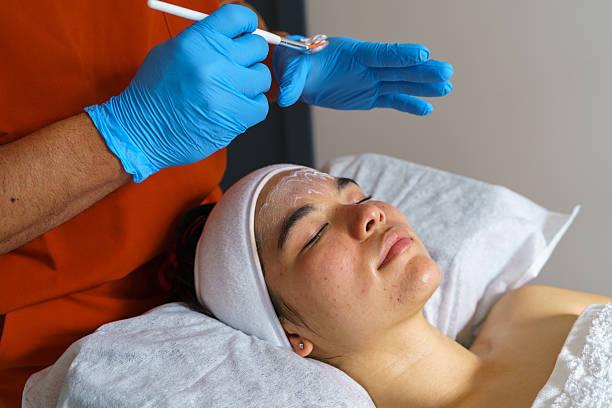
Professional treatments may complement a suitable home skincare routine. Depending on the individual's skin condition, a qualified skincare professional may recommend certain chemical peels or other clinically appropriate procedures. These treatments can help improve clogged pores, surface texture, and some forms of post-acne discoloration. Their suitability depends on skin sensitivity, acne severity, and the risk of pigmentation changes.
Prescription Treatments
Persistent, inflammatory, or severe acne may require prescription medication. Depending on the circumstances, healthcare professionals may recommend topical or oral treatments, including hormonal therapies for suitable patients. Oral isotretinoin may be considered for certain cases of severe or treatment-resistant acne under specialist supervision. Treatment selection requires an assessment of potential benefits, risks, and necessary monitoring.
How to Prevent Adult Acne
A consistent skincare routine can support acne treatment and reduce unnecessary irritation. Cleanse your face gently twice daily and after sweating, use a non-comedogenic moisturizer, and apply broad-spectrum sunscreen with SPF 30 or higher. Avoid harsh scrubs, picking pimples, and frequently switching products, as these habits can worsen inflammation and increase the risk of scarring.
It is also helpful to observe whether particular products or habits coincide with breakouts. A balanced diet, sufficient sleep, and stress management may support general well-being, although no single lifestyle change guarantees clear skin. If acne persists, becomes painful, or leaves scars, seek professional advice rather than relying exclusively on home remedies.
When Should You Seek Professional Acne Treatment?
Consider a professional assessment if breakouts continue despite consistent skincare, painful nodules develop, or dark marks and scars begin to appear. Early treatment can reduce inflammation and help prevent long-term skin changes. A qualified healthcare professional can assess your acne, identify possible contributing factors, and recommend an appropriate treatment plan based on your needs.
Frequently Asked Questions
Can adults develop acne for the first time?
Yes. Adult-onset acne can develop even in people who rarely experienced breakouts during adolescence. Hormonal changes, skincare products, medications, and other factors may contribute.
How long does adult acne treatment take to work?
Many acne treatments require approximately six to eight weeks before noticeable improvement occurs, although results vary. Some treatments may take several months to provide their full benefits.
Can hormonal acne be treated effectively?
Yes. Depending on its cause and severity, hormonal acne may respond to topical treatments or suitable prescription therapies. A healthcare professional can help determine the most appropriate option.
Does popping pimples make acne worse?
Popping or squeezing pimples can increase inflammation, introduce infection, and raise the risk of permanent scarring or dark marks. It is best to allow blemishes to heal and follow an appropriate treatment plan.
Can adult acne leave permanent scars?
Yes. Deep, inflamed acne can cause permanent scarring, particularly when treatment is delayed or pimples are picked. Early management can help reduce this risk.
Short Consultation at Enfield Royal Clinic
If persistent breakouts are affecting your confidence or making it difficult to maintain healthy-looking skin, consider seeking professional guidance. Enfield Royal Clinic can be a starting point for exploring suitable skincare and acne management options in Riyadh. A consultation can help you understand your skin concerns, discuss appropriate treatments, and develop a personalized approach to achieving clearer, smoother-looking skin.












 English