

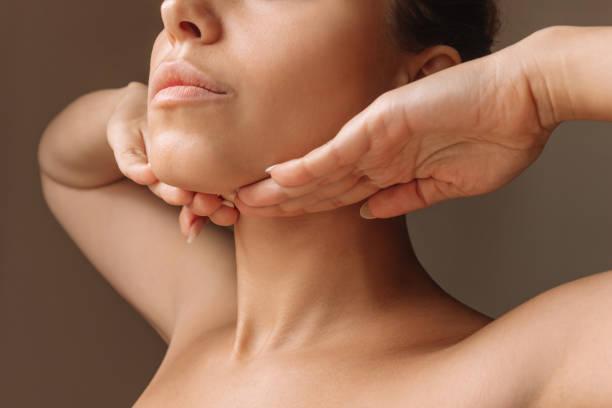
Understanding Facelift Surgery in Riyadh
Aging is a natural process, but changes such as sagging skin, deep wrinkles, loose facial contours, and folds around the mouth can affect the appearance of the face. Facelift surgery is a cosmetic procedure designed to address these concerns by tightening underlying tissues, repositioning facial structures, and removing excess skin when appropriate. The goal is to create a smoother, firmer, and more youthful appearance while preserving natural facial features.
Choosing Facelift Surgery in Riyadh allows individuals to explore facial rejuvenation options in a city with a growing cosmetic treatment sector. Before considering Facelift in Riyadh, it is important to understand the factors that influence treatment planning, the expected results, and the recovery process. Learning about these details helps patients make informed decisions and choose a treatment approach that suits their needs and aesthetic goals.
What Factors Influence Facelift Surgery Costs in Riyadh?
Although individual treatment expenses vary, several factors determine the overall investment required for facelift surgery. Understanding these considerations can help patients evaluate their options more effectively without focusing on a single advertised price.
Type of Facelift Procedure
Different facelift techniques address different signs of aging. A mini facelift may be suitable for individuals experiencing mild sagging, particularly around the lower face and jawline. A traditional facelift generally addresses more significant skin laxity and changes in the cheeks, jawline, and neck. More extensive procedures may be recommended when several areas require attention.
The technique selected depends on facial anatomy, skin condition, the degree of aging, and the patient's desired outcome. More complex procedures may involve additional surgical time and resources.
Experience and Qualifications of the Surgical Team
The qualifications, training, and experience of the surgical team are important considerations when choosing a cosmetic clinic. Facial surgery requires a detailed understanding of facial anatomy, tissue positioning, and aesthetic proportions. Patients should look for appropriately qualified professionals who can explain the procedure, discuss potential risks, and develop a personalized treatment plan.
Clinic Facilities and Surgical Resources
The quality of the clinical environment is another factor to consider. Surgical facilities, anesthesia services, medical equipment, safety protocols, and postoperative support can all influence the overall treatment arrangements. Patients should prioritize appropriate medical standards and patient safety rather than selecting a clinic based solely on promotional offers.
Additional Considerations Before Facelift Surgery
Anesthesia and Surgical Complexity
Facelift surgery may involve local anesthesia with sedation or general anesthesia, depending on the procedure and the patient's circumstances. The anesthesia approach, monitoring requirements, and duration of surgery can influence the overall treatment plan. Patients should discuss these details during their consultation to understand what their procedure involves.
Recovery and Follow-Up Care
Recovery is an essential part of the surgical journey. Patients may experience swelling, bruising, tightness, and temporary discomfort after surgery. The extent and duration of these effects vary according to the technique used and individual healing patterns.
Follow-up appointments allow the medical team to monitor healing, assess progress, and identify potential complications. Patients should understand the postoperative instructions, recommended time away from work, and restrictions on strenuous activities before scheduling their procedure.
Who Is a Suitable Candidate for Facelift Surgery?
Facelift surgery may be appropriate for adults who experience visible facial sagging, deeper folds, or reduced definition along the jawline. Suitable candidates generally have realistic expectations, are in good overall health, and understand the potential benefits and limitations of surgery.
During a consultation, the surgeon evaluates facial structure, skin elasticity, medical history, medications, and individual aesthetic concerns. Smoking, certain medical conditions, and some medications may affect surgical risks or healing. Patients should provide accurate medical information and follow their surgeon's recommendations.
It is also important to recognize that a facelift does not stop the aging process. Results can last for years, but the face continues to change naturally over time.
How to Choose the Right Clinic in Riyadh
Selecting a clinic involves more than comparing treatment packages. Patients should verify professional qualifications, review the clinic's surgical safety standards, and ask about the experience of the team performing the procedure. Clear communication and realistic expectations are essential for a positive treatment experience.
A reliable consultation should explain the recommended technique, expected recovery, possible complications, and available alternatives. Patients should also understand what follow-up care is provided and whom to contact if concerns arise after surgery. Taking time to assess these factors can help individuals make a confident and informed decision.
Frequently Asked Questions
What factors affect facelift surgery costs in Riyadh?
The main factors include the type of facelift, surgical complexity, anesthesia requirements, clinical facilities, the surgical team's qualifications, and postoperative care arrangements.
How long does facelift surgery take?
The duration depends on the technique and the extent of correction required. Your surgeon can provide a more specific estimate after examining your facial structure and discussing your goals.
How long does recovery from a facelift take?
Initial recovery commonly takes around two to four weeks, although swelling and other changes may continue to improve for several months. Individual recovery timelines vary.
Are the results of facelift surgery permanent?
Facelift surgery can provide long-lasting improvement, but it cannot prevent future aging. Lifestyle, genetics, skin quality, and the surgical technique can influence how results develop over time.
How can I prepare for a facelift consultation?
Prepare by identifying your main concerns, sharing your medical history and medications, and asking about surgical techniques, risks, recovery, and follow-up care. This helps your surgeon recommend an appropriate approach.
Book Your Facelift Consultation at Enfield Royal Clinic
If you are considering facial rejuvenation, a professional consultation is an important first step. Enfield Royal Clinic provides an opportunity to discuss your aesthetic concerns, understand suitable treatment options, and learn what to expect throughout the surgical journey. Contact the clinic to arrange a consultation and explore a personalized approach to achieving natural-looking facial rejuvenation.










 English