

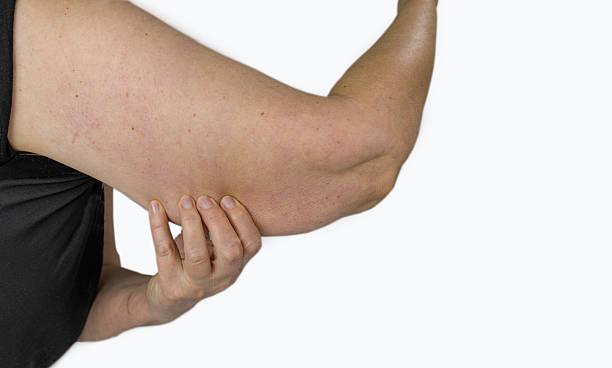
Arm lift surgery, also known as brachioplasty, is a cosmetic procedure designed to improve the appearance of the upper arms by removing excess skin and, when appropriate, underlying fat. People often consider this procedure after significant weight loss, aging, or changes in skin elasticity. Proper preparation can help you feel more confident, understand the process, and support a smoother recovery. Learning what to expect before surgery is an important step toward making an informed decision about your body and aesthetic goals.
For individuals exploring cosmetic treatments in Saudi Arabia, Arm Lift Surgery in Riyadh can be an option for addressing loose upper-arm skin and achieving a more contoured appearance. Patients researching arm lift in jeddah may also benefit from understanding the preparation process, including medical assessments, lifestyle adjustments, and recovery planning. Regardless of where you choose to undergo treatment, preparation should always be guided by a qualified medical professional who understands your health needs and expectations.
Understand the Arm Lift Surgery Procedure
Before scheduling surgery, take time to understand how an arm lift works and what it can realistically achieve. The procedure typically involves removing excess skin from the upper arms, with the surgical approach depending on the amount of loose skin and the individual's anatomy. Some patients may also require treatment of localized fat deposits.
Discuss Your Goals During the Consultation
Your initial consultation is an opportunity to explain what concerns you about your upper arms and what results you hope to achieve. The surgeon will assess your skin elasticity, medical history, and overall suitability for surgery. This discussion also allows you to ask about incision placement, expected scarring, anesthesia, and recovery requirements. Clear communication helps establish realistic expectations and an individualized treatment plan.
Prepare Your Body Before Surgery
Your general health plays an important role in surgical preparation and healing. Following your healthcare provider's recommendations can help reduce avoidable complications and support recovery.
Review Your Medical History and Medications
Inform your surgical team about existing medical conditions, allergies, previous operations, and all medications or supplements you take. Certain medicines and supplements can increase bleeding risk or affect anesthesia, so your healthcare provider may recommend adjustments. Never stop prescribed medication without medical guidance. Your team may also request medical tests or additional assessments based on your health history.
Maintain Healthy Lifestyle Habits
Aim to eat balanced meals containing adequate protein, vitamins, and minerals to support normal healing. Stay hydrated and maintain a stable weight before surgery, as significant weight fluctuations can affect your results. If you smoke or use nicotine products, discuss stopping well before surgery and throughout recovery, because nicotine can impair circulation and wound healing. Avoid crash diets and extreme exercise routines before the procedure.
Organize Your Home and Recovery Plan
Preparing your surroundings in advance can make the first days after surgery more comfortable. You may experience swelling, bruising, soreness, and temporary limitations in arm movement, depending on the procedure.
Arrange Help After Surgery
Ask a trusted family member or friend to accompany you home and assist you during the initial recovery period. If you receive general anesthesia or sedation, you should not drive yourself home. Prepare a comfortable resting area with essential items within easy reach, and arrange help with cooking, cleaning, shopping, and other activities that require lifting or stretching.
Follow Preoperative Instructions Carefully
Your surgical team will explain when to stop eating and drinking before anesthesia, which medicines to take or avoid, and how to prepare your skin. Follow these instructions precisely. Arrange transportation, confirm your appointment details, and prepare loose-fitting clothing that is easy to put on without raising your arms excessively. Ask your healthcare provider whether you will need compression garments or special wound-care supplies.
Know What to Expect During Recovery
Understanding the recovery process can help you plan your time away from work and daily responsibilities. Healing varies according to the surgical technique, the extent of the procedure, and individual health factors.
Follow Aftercare Recommendations
Attend follow-up appointments and follow your surgeon's instructions regarding wound care, compression garments, bathing, and physical activity. Avoid strenuous exercise, heavy lifting, and movements that place excessive tension on the incisions until your healthcare provider approves them. Contact your medical team if you notice increasing redness, worsening pain, fever, unusual drainage, or sudden swelling. Seek urgent medical attention for severe symptoms such as chest pain or difficulty breathing.
Frequently Asked Questions
How long before arm lift surgery should I start preparing?
Preparation begins during your initial consultation. Your healthcare provider will recommend a suitable timeline for medical assessments, lifestyle adjustments, medication reviews, and arranging support at home.
Should I lose weight before arm lift surgery?
If weight loss is part of your plan, discuss it with your surgeon before scheduling surgery. Reaching and maintaining a stable weight is generally recommended because further significant weight changes can affect the results.
Can I eat and drink normally before surgery?
You may need to stop eating and drinking for a specified period before anesthesia. Follow the exact instructions provided by your surgical team rather than relying on general advice.
When can I return to normal activities after an arm lift?
Recovery varies from person to person. Light activities may resume gradually, while strenuous exercise and heavy lifting usually require a longer period of restriction and medical clearance.
Will arm lift surgery leave scars?
Yes, incisions are necessary to remove excess skin, so scars are expected. Their location and appearance depend on the surgical technique, individual healing, and aftercare. Your surgeon can explain scar-management options.
Schedule Your Arm Lift Consultation
Preparing for arm lift surgery involves more than arranging the procedure. Understanding your options, maintaining good health, following medical instructions, and planning for recovery can help you approach treatment with confidence. Contact Enfield Royal Clinic to discuss your aesthetic concerns, explore whether an arm lift may be suitable for you, and receive personalized guidance on preparing for treatment and recovery.











 English