

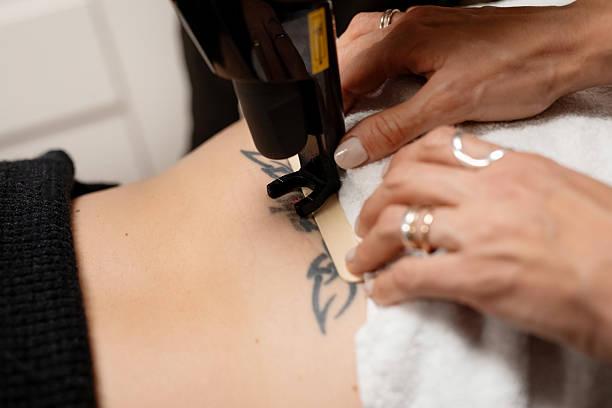
Tattoo removal is a process that requires proper aftercare to help the skin heal comfortably and reduce the risk of complications. Whether you want to remove an unwanted design or prepare your skin for a fresh start, following the right skincare routine after treatment is essential. Understanding how to protect the treated area, manage temporary irritation, and maintain healthy skin can support recovery and improve the overall appearance of the treated area.
If you are researching Laser Tattoo Removal in Riyadh, knowing what to expect after your session can help you feel more confident about your treatment journey. People searching for tattoo removal near me should also consider the importance of professional guidance, personalized aftercare instructions, and appropriate follow-up appointments. Every person's skin responds differently, so following the recommendations provided by your treatment professional is important for safe and effective healing.
Why Is Aftercare Important After Tattoo Removal?
Laser tattoo removal works by delivering targeted energy to tattoo pigments, allowing the body's natural processes to gradually break down and eliminate the ink particles. After treatment, the skin may appear red, swollen, or sensitive. Some people may also experience mild tenderness, blistering, or temporary changes in skin color.
Proper aftercare helps protect the treated area while the skin recovers. It can reduce unnecessary irritation, lower the risk of infection, and support the healing process. Ignoring aftercare instructions or exposing the skin to harsh products may increase the likelihood of complications and affect the final cosmetic result.
Essential Skincare Tips After Tattoo Removal
Keep the Treated Area Clean
Gently clean the treated skin according to your provider's instructions. Use mild soap and lukewarm water without scrubbing, rubbing, or exfoliating the area. Pat the skin dry with a clean, soft towel rather than wiping it forcefully.
Keeping the area clean helps reduce the risk of infection while avoiding unnecessary friction. Always wash your hands before touching the treated skin, particularly when applying an approved ointment or changing a dressing.
Apply Recommended Aftercare Products
Your treatment professional may recommend a suitable ointment, moisturizer, or dressing depending on your skin's condition and the intensity of the treatment. Use only products that are appropriate for the healing area and follow the recommended application instructions.
Avoid applying alcohol, hydrogen peroxide, fragranced lotions, or strong exfoliating ingredients unless specifically directed by a qualified professional. These products can irritate sensitive skin and interfere with recovery.
Protect Your Skin From Sun Exposure
Sun protection is especially important after tattoo removal because treated skin can be more vulnerable to irritation and pigmentation changes. Keep the area covered with clean, loose clothing when possible, and avoid direct sunlight during the initial healing period.
Once the skin has completely healed, apply a broad-spectrum sunscreen with SPF 30 or higher when the area is exposed. Consistent sun protection can help minimize discoloration and support a more even skin appearance.
What Should You Avoid During Recovery?
Do Not Pick Blisters or Scabs
Blisters and scabs may develop as part of the healing process. Although they can be uncomfortable, picking, scratching, or deliberately removing them may damage the skin and increase the risk of infection or scarring.
Allow the skin to heal naturally and follow your provider's instructions if blistering occurs. Contact your treatment professional if the area becomes increasingly painful, develops spreading redness, produces pus, or shows other signs of infection.
Avoid Activities That Irritate the Skin
During the initial recovery period, avoid activities that expose the treated area to excessive heat, friction, or contamination. Swimming pools, hot tubs, saunas, and strenuous activities that cause heavy sweating may need to be avoided until the skin has healed sufficiently.
Your recovery timeline will depend on the treatment area, the laser used, your skin type, and your individual healing response. Follow personalized advice rather than assuming that the same restrictions apply to everyone.
How Long Does Skin Take to Heal After Tattoo Removal?
The initial healing period commonly takes around one to two weeks, although some people require more time, particularly if blistering or other skin reactions occur. Redness and tenderness may gradually improve, while changes in pigmentation can take longer to settle.
Tattoo removal generally requires multiple sessions, with healing intervals between treatments. The number of sessions depends on factors such as ink color, tattoo depth, tattoo size, and individual skin characteristics. Your provider can recommend an appropriate schedule based on your progress.
Remember that the skin's surface may heal before the body has finished clearing the tattoo pigment. Patience and consistent aftercare are important throughout the treatment process.
When Should You Seek Professional Advice?
Mild redness, swelling, and sensitivity can occur after laser treatment. However, severe or worsening pain, spreading redness, increasing warmth, pus, fever, or significant swelling should not be ignored. Seek prompt medical advice if these symptoms develop.
You should also consult a qualified professional if you notice persistent skin discoloration, delayed healing, or concerns about scarring. Early assessment can help identify potential problems and determine whether additional care is needed.
Frequently Asked Questions
Can I shower after tattoo removal?
Yes, gentle showering is generally possible. Avoid directing strong water pressure at the treated area, scrubbing the skin, or soaking it until healing instructions indicate that it is safe.
Can I apply moisturizer after laser tattoo removal?
A suitable moisturizer or ointment may be recommended, depending on the condition of your skin. Follow your provider's instructions and avoid applying unapproved products to blistered or open skin.
Can I exercise after tattoo removal?
Light activity may be possible, but strenuous exercise and heavy sweating should be avoided initially if they irritate the treated area. Follow your provider's advice based on your treatment and healing progress.
Will tattoo removal leave a scar?
Scarring is possible but not inevitable. Proper treatment, appropriate aftercare, and avoiding picking or scratching can help reduce the risk. Individual results vary depending on skin characteristics and previous tattoo-related damage.
When can I have another tattoo removal session?
The next session should be scheduled only after the skin has recovered sufficiently and your treatment professional has assessed your progress. Adequate healing time helps reduce the risk of complications.
Begin Your Tattoo Removal Journey With Professional Guidance
Taking care of your skin after tattoo removal is an important part of achieving the best possible outcome. Gentle cleansing, appropriate skincare, sun protection, and following professional advice can support healing and help reduce avoidable complications. For personalized guidance and information about tattoo removal treatments, contact Enfield Royal Clinic to discuss your skin concerns, aftercare needs, and suitable next steps with the clinic's qualified treatment team.










 English