

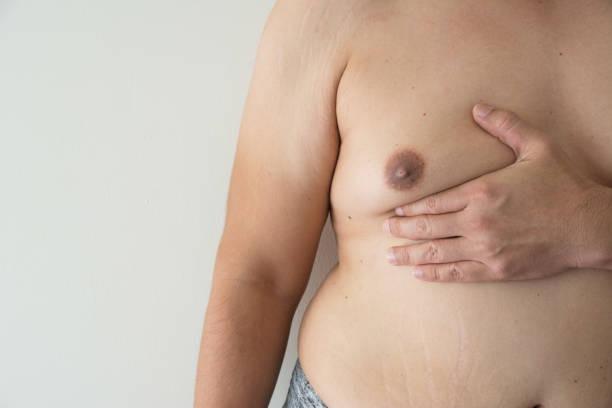
Gynecomastia surgery is a procedure designed to reduce excess breast tissue in men and create a flatter, firmer, and more masculine chest appearance. While the procedure can improve chest contours and confidence, understanding the recovery process is equally important. Knowing what happens after surgery helps patients prepare for healing, follow proper aftercare instructions, and achieve satisfactory results.
For individuals considering gynecomastia surgery in saudi arabia, understanding the recovery journey can make the experience more comfortable and predictable. Every patient heals differently depending on the surgical technique, the amount of tissue removed, and individual health factors. However, following professional medical guidance and maintaining realistic expectations can support a smoother recovery.
What Happens Immediately After Gynecomastia Surgery?
After the procedure, patients are moved to a recovery area where their condition is monitored. It is normal to experience some swelling, bruising, tenderness, and tightness around the chest. These symptoms are part of the body's natural healing response and generally improve gradually.
A compression garment may be recommended to support the chest, minimize swelling, and help the skin adapt to its new contours. Patients should wear it according to their surgeon's instructions and avoid removing it unnecessarily during the initial recovery period.
Understanding the Gynecomastia Surgery Recovery Timeline
Recovery does not happen overnight. The healing process takes place in different stages, and each stage brings gradual improvements in comfort and appearance.
The First Few Days After Surgery
During the first few days, patients may experience mild to moderate discomfort, swelling, bruising, and limited upper-body movement. Rest is particularly important during this period. Keeping the upper body supported while sleeping may help improve comfort.
Patients should avoid strenuous activities, heavy lifting, and unnecessary chest movements. Following prescribed medication instructions and keeping the surgical area clean can also support proper healing.
The First Week of Recovery
As the first week progresses, discomfort usually begins to decrease. Swelling and bruising may still be visible, but these symptoms generally improve over time. Some patients may feel comfortable returning to light daily activities, depending on their healing progress and medical advice.
It is important not to rush the recovery process. Even if the chest begins to feel better, internal tissues still need time to heal.
Two to Four Weeks After Surgery
During the following weeks, many patients notice improvements in swelling, tenderness, and chest appearance. The treated area may start looking flatter and more defined as the healing process continues.
Light activities may gradually be resumed when approved by the treating medical professional. However, intense exercise, weightlifting, and activities that place pressure on the chest should remain restricted until the surgeon confirms they are safe.
Long-Term Healing and Final Results
Although visible improvements may appear within the first few weeks, complete healing takes longer. Residual swelling can take several months to settle, and the final chest contours become clearer as the tissues recover.
Patients should attend follow-up appointments to monitor their progress and discuss any concerns. Maintaining a stable weight and healthy lifestyle can also help preserve the results.
Essential Aftercare Tips for a Smooth Recovery
Wear Your Compression Garment
A compression garment plays an important role in postoperative care. It provides support to the treated area, helps manage swelling, and encourages the chest tissues to settle into their new shape. Follow the recommended wearing schedule provided by your medical team.
Avoid Strenuous Physical Activities
Heavy lifting, intense workouts, and chest-focused exercises should be avoided during the early recovery period. Returning to physical activities too soon may interfere with healing. Gradually increase your activity level only after receiving medical approval.
Keep the Surgical Area Clean
Proper hygiene is essential after surgery. Follow the wound-care instructions provided by your healthcare team, avoid applying unapproved products, and monitor the incision area for unusual changes.
Maintain a Healthy Lifestyle
Eating balanced meals, staying hydrated, avoiding smoking, and getting sufficient sleep can support the body's natural healing process. Patients should also follow medication instructions and avoid taking supplements or medicines without medical approval.
When Should You Contact Your Surgeon?
Some swelling, bruising, and mild discomfort are expected after surgery. However, certain symptoms require prompt medical attention. These include increasing redness, worsening pain, fever, unusual discharge, sudden swelling, or excessive bleeding.
Patients should never ignore symptoms that seem unusual or become progressively worse. Timely medical evaluation helps identify potential complications and ensures appropriate treatment.
Frequently Asked Questions
How long does it take to recover from gynecomastia surgery?
Initial recovery generally takes a few weeks, although complete healing and final results may take several months. Recovery time varies depending on the surgical technique and individual healing response.
Is swelling normal after gynecomastia surgery?
Yes, swelling is a common part of the healing process. It gradually decreases over time, although some residual swelling may remain for several months.
When can I return to work after surgery?
Many patients can return to light work within several days to a week, depending on their comfort and the nature of their job. Physically demanding work may require a longer recovery period.
When can I start exercising again?
Light walking may be encouraged early in recovery, but strenuous exercise and chest workouts should be avoided until medically approved. Your surgeon can recommend an appropriate timeline.
Will my chest look immediately flat after surgery?
The chest may appear flatter initially, but swelling and bruising can temporarily affect its appearance. The final contours become more noticeable as the tissues heal and swelling subsides.
Book Your Consultation at Enfield Royal Clinic
Understanding the recovery process is an important step toward making an informed decision about male chest enhancement. At Enfield Royal Clinic, patients can receive professional guidance, personalized treatment planning, and postoperative care recommendations based on their individual needs. Book a consultation to learn more about gynecomastia surgery and take the next step toward your desired chest appearance.










 Vietnam