

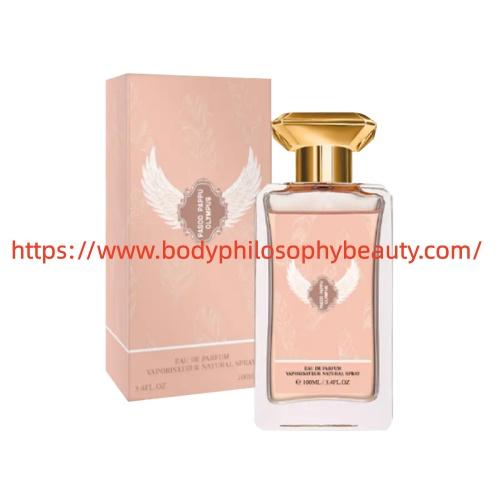
Wholesale Women Perfume is an interesting category for retailers looking to respond to changing beauty preferences and expand their fragrance collections. Fragrance has become closely connected with personal identity, lifestyle, and everyday grooming. Shoppers are no longer interested in choosing an aroma based only on its general description. They also consider the atmosphere it creates, the occasions it suits, and how its presentation reflects their individual taste. These changing expectations create opportunities for retailers to develop more thoughtful product assortments.
One noticeable development in the fragrance market is the growing interest in scent variety. Some consumers prefer light floral compositions for daily activities, while others enjoy fruity, woody, powdery, or fresh aromatic profiles. A fragrance collection that includes different scent directions can appeal to shoppers with varied preferences. Retailers should therefore consider the diversity of their intended customer groups before deciding which products to introduce.
Understanding fragrance families is a useful starting point. Floral compositions often feature rose, jasmine, peony, or other botanical inspirations. Fruity profiles may incorporate impressions of peach, citrus, pear, and berry. Woody fragrances can introduce a warmer atmosphere through notes associated with cedar, sandalwood, or other natural materials. Fresh compositions may draw inspiration from clean, green, or aquatic sensations.
These categories provide a practical way to organize product collections. Retailers can arrange fragrances according to scent character, intended occasion, or customer preference. Such organization makes browsing easier and gives shoppers a clearer understanding of the available choices. It can also help sales teams explain the differences between products without relying on complicated fragrance terminology.
Product formulation is another consideration when evaluating a fragrance collection. The relationship between aromatic ingredients, solvents, and supporting components influences the overall composition and application experience. Retail buyers should review available ingredient information and product documentation to understand the characteristics of each item. Clear product descriptions also help retailers communicate relevant details to customers.
Packaging plays an important role in the shopping experience. A fragrance bottle is not simply a container. Its shape, surface finish, color, closure, and spray design contribute to how consumers perceive the product. Some shoppers appreciate understated packaging that suits different environments, while others are drawn to decorative designs that reflect a particular style.
For retailers, packaging also has practical implications. Products should be easy to display, store, organize, and handle during daily operations. Consistent visual presentation across a collection can create a recognizable shelf appearance. When packaging combines practical considerations with an appealing design, it becomes part of the overall product identity.
Another subject worth considering is the relationship between fragrance and seasonal shopping. Customer preferences can change with weather, social activities, and personal routines. Fresh citrus and floral impressions may attract attention during warmer periods, while warm woody and soft powdery compositions may appeal to shoppers looking for a different atmosphere during cooler seasons. Retailers can use these preferences when planning product displays and seasonal promotions.
Online shopping has also influenced how consumers evaluate fragrance products. Since shoppers cannot directly experience an aroma through a screen, detailed product descriptions become particularly important. Retail websites can provide information about fragrance families, ingredient considerations, packaging, and suggested occasions. Clear photographs and organized product categories can further support purchasing decisions.
For business buyers, supplier communication deserves equal attention. Before placing an order, retailers may wish to review product availability, packaging options, documentation, ordering arrangements, and the supplier’s approach to customer support. Understanding these details can make purchasing decisions more organized and help businesses plan their collections according to their sales channels.
Consumer feedback can also provide useful guidance. Retailers can observe which fragrance families attract attention, which packaging styles generate interest, and what questions customers frequently ask. This information can support future assortment planning. Rather than following every emerging trend, businesses can use actual customer preferences to make decisions that suit their market.
Sloggi brings a personal care perspective to this fragrance category, connecting product presentation with everyday beauty habits and individual scent preferences. Its collection offers retailers another direction to consider when developing fragrance selections for customers with different lifestyles. By paying attention to fragrance character, product details, and visual presentation, businesses can introduce the range in a way that feels relevant to their intended audience.
Building a fragrance collection involves balancing customer interests, product identity, and practical purchasing considerations. Retailers who take time to evaluate these elements can create a more organized shopping experience and communicate product differences clearly. Businesses interested in Sloggi products and its fragrance collection can visit https://www.bodyphilosophybeauty.com/product/ to review the available offerings and consider how they may fit into their retail plans.








 Vietnam