

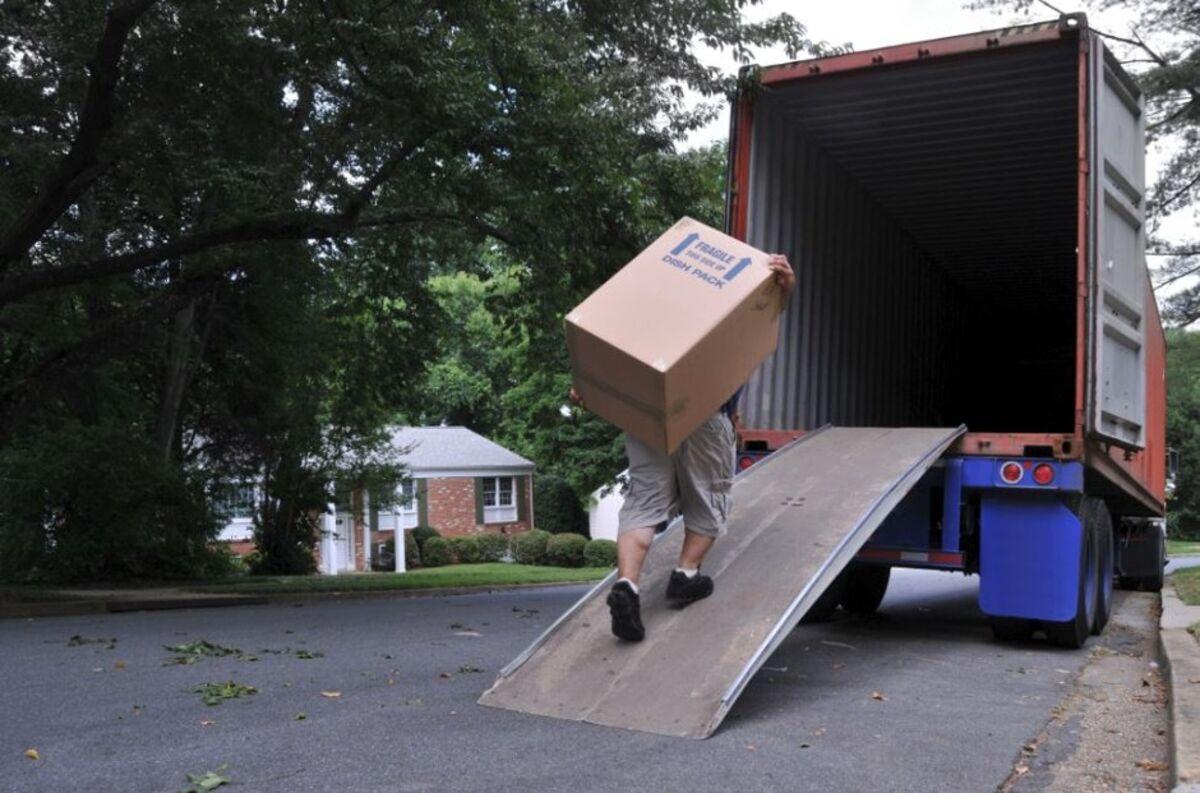
Making a Long-Distance Relocation More Manageable
Moving to a different city or state can be an exciting opportunity, but it also involves several important responsibilities. Unlike a local relocation, a long-distance move requires additional planning, careful scheduling, and attention to the transportation of personal belongings. From organizing household items to preparing furniture and coordinating delivery, every stage needs proper consideration. Having a clear moving plan can help reduce confusion and make the transition easier. With the right preparation and professional assistance, families and individuals can approach relocation with greater confidence.
Understanding the Challenges of Moving Far Away
Planning Long Distance Moving Raleigh NC involves more than packing belongings and arranging transportation. Longer journeys require careful coordination to ensure that household items are prepared for an extended trip. Furniture, appliances, clothing, electronics, and fragile possessions all need suitable handling. Travel schedules, delivery arrangements, and access to the new property should also be considered. Unexpected delays or poor organization can make the experience more stressful. Creating a realistic timeline and identifying important tasks early can help keep the relocation process organized from beginning to end.
Creating a Practical Moving Timeline
A moving timeline provides structure and helps prevent important responsibilities from being overlooked. Ideally, planning should begin several weeks before the scheduled moving date. Start by identifying the items that need to be transported and deciding what can be donated, sold, or discarded. Next, organize packing supplies, confirm important arrangements, and prepare a checklist of tasks. Updating utility accounts, changing mailing information, and organizing personal documents should also be included. Breaking large responsibilities into smaller steps makes the process easier to manage and reduces the pressure of completing everything at the last minute.
Organizing and Packing Household Belongings
Packing is one of the most time-consuming parts of relocation. Each room should be handled separately to make the process more organized. Begin with belongings that are rarely used, such as seasonal decorations, spare linens, and storage items. Everyday essentials can be packed closer to moving day. Using sturdy boxes and suitable protective materials helps keep belongings secure during transportation. Fragile objects should receive additional cushioning, while heavier items should be placed in appropriately sized boxes. Clear labels describing box contents and destination rooms can also make unpacking much easier.
Protecting Furniture and Valuable Possessions
Furniture and valuable belongings need special attention during a long-distance journey. Items may experience movement and vibration while being transported, making proper preparation important. Wrapping furniture with protective blankets or suitable materials can help reduce scratches and surface damage. Removable parts, such as table legs and shelves, may be packed separately when appropriate. Electronics should be protected using suitable packaging, while important documents and personal valuables are best kept separately. Taking these precautions helps reduce avoidable damage and makes it easier to locate important belongings after arrival.
Getting Help With Professional Moving and Packing
Working with Professional Moving and Packing Services can make a major difference when managing a complicated relocation. Professional assistance can help reduce the physical demands of packing, lifting, organizing, and preparing belongings for transportation. Having experienced support may also make it easier to handle large furniture pieces and items that require additional care. Before arranging a move, homeowners should discuss their requirements, scheduling expectations, and any belongings that need special handling. Clear communication helps establish a better understanding of the work involved and supports a more organized moving experience.
Preparing for Moving Day
Moving day generally runs more smoothly when everything is ready in advance. Boxes should be properly sealed and labeled, walkways should be clear, and essential belongings should remain accessible. It is helpful to keep important paperwork, medications, chargers, keys, and basic toiletries in a separate bag. Homeowners should also check closets, cabinets, storage areas, and outdoor spaces to make sure nothing has been overlooked. If children or pets are present, arranging a safe and comfortable space away from busy moving activities can reduce distractions and improve safety.
Planning the Arrival at Your New Home
Preparing the destination is just as important as organizing the departure. Before moving day, confirm that the new property is accessible and ready to receive furniture and household belongings. Measuring doorways, staircases, and larger rooms can help identify potential placement challenges. It is also useful to create a basic floor plan showing where major furniture pieces should go. Having boxes labeled according to their destination rooms makes unloading and unpacking more efficient. These preparations can reduce unnecessary movement and help the household settle in sooner.
Keeping Moving Expenses Under Control
A long-distance relocation can involve several expenses, including packing materials, transportation, storage, and additional services. Establishing a realistic budget helps homeowners understand their expected costs and avoid unnecessary spending. Comparing available service options and discussing pricing details before making arrangements can also support better financial planning. Reducing the number of belongings being transported may help simplify the move. However, it is important not to compromise essential protection or preparation simply to reduce expenses.
Starting the Next Chapter With Confidence
Relocating over a long distance requires organization, patience, and careful decision-making. From preparing household belongings to coordinating transportation and arranging the new living space, every stage contributes to the overall experience. A well-planned schedule and suitable professional support can help reduce common challenges and make the transition more comfortable. By starting early, protecting valuable possessions, and keeping important tasks organized, individuals and families can focus less on moving difficulties and more on enjoying the opportunities that come with a new beginning.







 Vietnam