
Why Commercial HVAC Systems Matter
A comfortable indoor environment plays an important role in the daily operation of commercial properties. Offices, retail stores, restaurants, warehouses, and other business facilities depend on reliable heating, ventilation, and air conditioning systems to maintain suitable indoor conditions. Temperature fluctuations, poor airflow, and inadequate ventilation can affect employee comfort, customer experiences, and everyday productivity. A properly planned HVAC system helps regulate indoor temperatures, circulate air, and create a more pleasant environment throughout the year. Understanding how these systems work and why regular maintenance matters can help business owners make better decisions about their building's heating and cooling needs.
Choosing the Right Heating and Cooling Solutions
Investing in Commercial HVAC Services Vernon NY can help businesses maintain dependable indoor comfort while addressing the specific requirements of their properties. Commercial buildings often have different heating and cooling demands depending on their size, layout, occupancy, and daily activities. A small office may require a different system configuration than a large retail facility or industrial workspace. Selecting suitable equipment involves considering energy consumption, airflow requirements, temperature control, and long-term operating costs. A properly evaluated system can support consistent performance and help prevent unnecessary strain on important components.
Understanding the Importance of Proper Ventilation
Ventilation is an essential part of maintaining a healthy and comfortable indoor environment. HVAC systems do more than heat or cool a building; they also help manage air circulation and indoor air quality. Without sufficient ventilation, indoor spaces may experience stale air, unwanted odors, and excessive moisture. Proper airflow helps distribute conditioned air throughout different rooms and supports a more comfortable atmosphere. Business owners should pay attention to ventilation requirements when planning new systems or evaluating existing equipment. Clean filters, suitable airflow, and regular system inspections can all contribute to better indoor conditions.
Recognizing Signs of HVAC Problems
Heating and cooling equipment may develop performance issues over time, especially when components experience frequent use. Uneven temperatures, unusual noises, weak airflow, unpleasant odors, and unexpected increases in energy bills can indicate that a system needs attention. Some problems may begin with minor symptoms but become more serious when left unresolved. Business owners should monitor system performance and arrange professional evaluations when something does not seem right. Addressing concerns early can help reduce disruption and prevent avoidable damage to essential equipment.
Why Routine Maintenance Should Never Be Overlooked
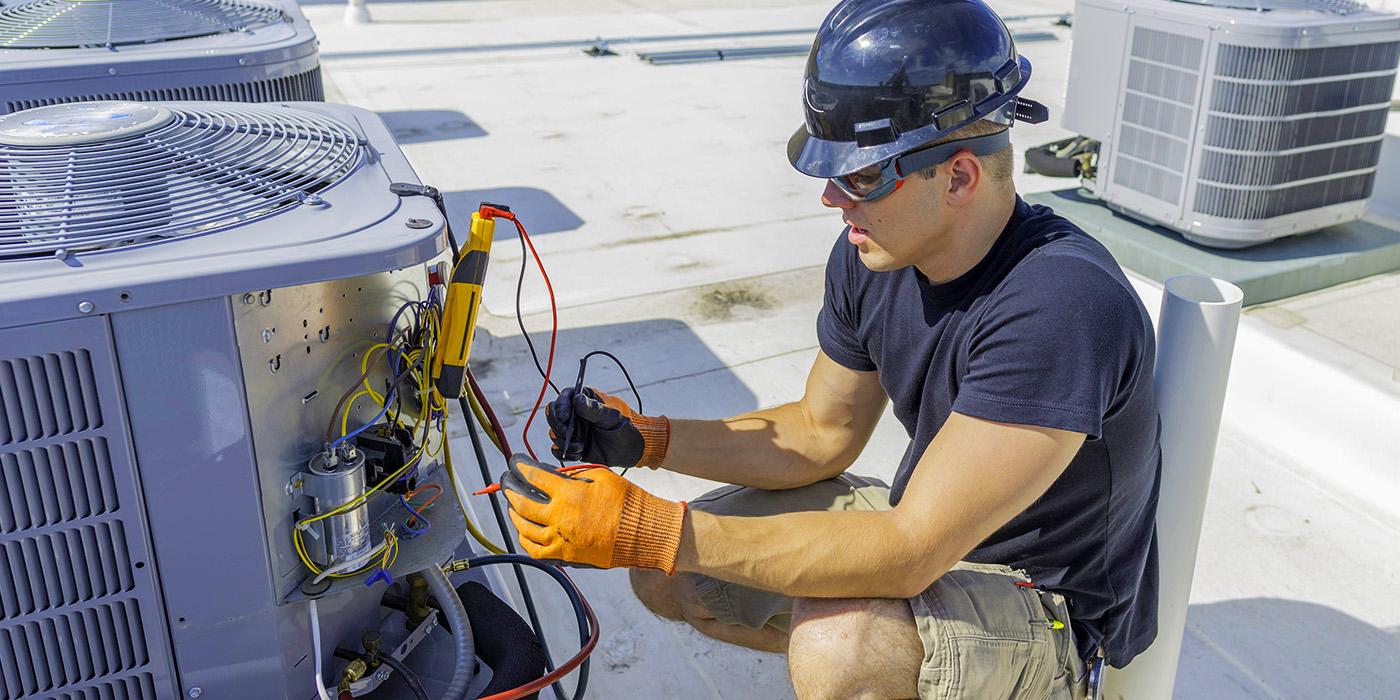
Regular maintenance helps commercial HVAC systems operate more consistently. Dust, dirt, clogged filters, loose electrical connections, and worn components can gradually affect system performance. Scheduled inspections provide an opportunity to identify these concerns and address them before they lead to larger problems. Maintenance may include filter replacement, cleaning accessible components, checking electrical connections, inspecting drainage systems, and evaluating overall operation. The exact requirements depend on the equipment and building conditions. A consistent maintenance routine can support equipment reliability and help businesses manage long-term operating expenses.
Professional Support for Repairs and New Installations
HVAC Repair and Installation Vernon NY is an important consideration for businesses dealing with aging equipment, unexpected breakdowns, or the need for an updated heating and cooling system. Repairs may involve addressing malfunctioning components, airflow restrictions, electrical issues, or problems with temperature regulation. Installation projects require careful attention to building size, equipment capacity, ventilation, and system configuration. Choosing the right approach depends on the condition of the existing equipment and the property's heating and cooling requirements. Professional evaluation helps determine whether repairing an existing system or considering replacement is the more practical option.
Improving Energy Efficiency in Commercial Properties
Energy consumption is a significant consideration for many commercial property owners. Heating and cooling equipment can account for a substantial portion of a building's electricity usage, particularly when systems operate for extended hours. Improving efficiency may involve selecting appropriately sized equipment, maintaining clean filters, sealing air leaks, and using programmable temperature controls. Insulation and properly sealed windows can also help reduce unnecessary heating and cooling demands. Small improvements throughout the building may contribute to better system performance and more manageable utility expenses over time.
Managing Indoor Temperature Across Different Areas
Commercial buildings often contain spaces with different temperature requirements. Conference rooms, offices, storage areas, kitchens, and customer-facing spaces may experience varying occupancy levels and heat loads. A system that does not distribute air effectively can create uncomfortable temperature differences between rooms. Proper equipment selection, ductwork design, airflow balancing, and thermostat placement can help improve temperature consistency. Business owners should consider how each area is used throughout the day when evaluating their HVAC requirements. A well-planned system supports comfort without placing unnecessary demands on individual components.
Preparing HVAC Equipment for Seasonal Changes
Seasonal preparation helps businesses avoid unexpected heating and cooling problems during periods of heavy system use. Before warmer weather arrives, air conditioning equipment should be checked to ensure it can handle increased cooling demands. Similarly, heating components should be evaluated before colder temperatures become common. Seasonal inspections provide an opportunity to identify worn parts, drainage concerns, airflow restrictions, and other potential issues. Preparing equipment in advance can help businesses maintain comfortable indoor conditions when outdoor temperatures change significantly.
Supporting a Comfortable and Productive Workplace
Indoor comfort can influence how employees and visitors experience a commercial property. Excessive heat, cold spots, poor ventilation, and inconsistent airflow can make daily activities less comfortable. Reliable HVAC equipment helps create a stable environment where employees can focus on their responsibilities and customers can enjoy their time inside the building. Business owners should view heating and cooling systems as an important part of property management rather than equipment that only needs attention when something breaks.
Making Smart Decisions About Long-Term HVAC Performance
Maintaining an effective commercial HVAC system requires attention to equipment condition, ventilation, energy efficiency, and changing building needs. Regular inspections, timely repairs, and thoughtful installation decisions can help prevent unnecessary disruptions. By understanding how heating and cooling systems affect daily operations, business owners can make informed choices that support indoor comfort and long-term property performance. A proactive approach to HVAC management helps create a more dependable working environment throughout the year.







 English