

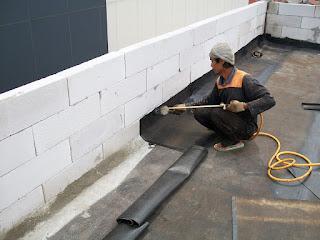
A Dry Basement Starts With the Right Protection
A basement can provide valuable extra space for storage, recreation, a home office, or other household needs. However, moisture and water intrusion can make this area uncomfortable and potentially damage the structure of a property. Even a small leak can lead to peeling paint, damp floors, musty odors, and deterioration of building materials. Addressing these problems early helps homeowners protect their investment and maintain a healthier indoor environment.
Understanding the Importance of Basement Protection
Water can enter a basement through foundation cracks, poorly sealed openings, damaged drainage systems, or pressure from moisture in the surrounding soil. Heavy rainfall and changing weather conditions may make existing problems worse. Professional Basement waterproofing Bronx solutions can help address water entry and reduce the risk of recurring moisture problems. The right approach depends on the property's condition, the source of the water, and the areas that need attention.
Recognizing Common Signs of Moisture
Basement water problems are not always obvious at first. Homeowners may notice damp patches on walls, water stains, bubbling paint, or a persistent musty smell. In some cases, moisture collects near the floor or appears after periods of heavy rain. These warning signs should not be ignored because ongoing exposure to water can gradually affect concrete, wood, insulation, and other materials. Identifying the source early makes it easier to determine the appropriate next steps.
Why Foundation Conditions Matter
The foundation plays an important role in supporting a building and separating interior spaces from the surrounding ground. Small cracks may develop as materials settle or respond to changes in temperature and moisture. Not every crack indicates a serious structural problem, but openings that allow water to enter deserve attention. A careful assessment can help determine whether sealing, drainage improvements, or additional repair work may be needed to protect the basement.
Choosing the Right Waterproofing Approach
There is no single waterproofing method that works for every property. Some basements need attention to interior wall surfaces, while others may require exterior protection or improvements to water drainage around the foundation. The most suitable option depends on where moisture originates and how it reaches the building. A thoughtful evaluation helps avoid unnecessary work and focuses attention on the conditions causing the problem. Proper preparation and suitable materials also contribute to a more dependable result.
The Value of Professional Construction Experience
Water-related repairs sometimes involve more than applying a sealant or covering a damp area. The work may connect with foundation conditions, concrete surfaces, drainage, and other parts of the building. A qualified General contractor Bronx can help homeowners consider how different construction needs relate to one another. Coordinating repair work carefully can support better planning, reduce confusion, and help ensure that important areas receive appropriate attention.
Improving Drainage Around the Property
Water management outside the home can be just as important as protecting the basement interior. When rainwater collects near the foundation, it may increase pressure against basement walls and create opportunities for leaks. Gutters and downspouts should direct water away from the building, while the surrounding ground should allow water to move away rather than toward the foundation. Homeowners should also watch for areas where water repeatedly pools after rainfall, as these may indicate drainage concerns.
Maintaining a Comfortable Indoor Environment
A dry basement can make a home more useful and comfortable. Moisture control helps reduce musty odors and limits conditions that encourage mold growth. Good ventilation and appropriate humidity management can further support indoor comfort. Homeowners who use their basements regularly should pay attention to changes in air quality, condensation, and dampness. Keeping the space clean and monitoring it after heavy rainfall can help identify developing concerns before they become more difficult to manage.
Preparing for Repairs and Construction Work
Before starting a waterproofing project, homeowners should understand the condition of the affected area and the work that may be required. Removing stored belongings, providing access to walls, and identifying previous leaks can make an assessment easier. It is also helpful to discuss the expected scope of work, materials, preparation, and maintenance requirements. Clear communication helps property owners make informed decisions and understand how the proposed work is intended to address the moisture problem.
Long-Term Care Helps Protect Your Investment
Waterproofing should be viewed as part of ongoing property maintenance rather than a one-time concern that never needs attention again. Seasonal inspections can help homeowners spot new cracks, damaged drainage components, or signs of moisture. Gutters should remain clear, downspouts should function properly, and basement walls should be checked periodically for changes. After major storms, a quick inspection can reveal whether water has entered areas that were previously dry.
Make Basement Protection a Priority
A well-maintained basement contributes to the comfort, usefulness, and overall condition of a home. Paying attention to early warning signs, managing exterior drainage, and selecting suitable repair methods can help reduce moisture-related concerns. With careful planning and appropriate construction support, homeowners can take practical steps toward protecting their property. Investing attention in basement maintenance today may help prevent more extensive repairs and preserve valuable indoor space over time.









 Vietnam