

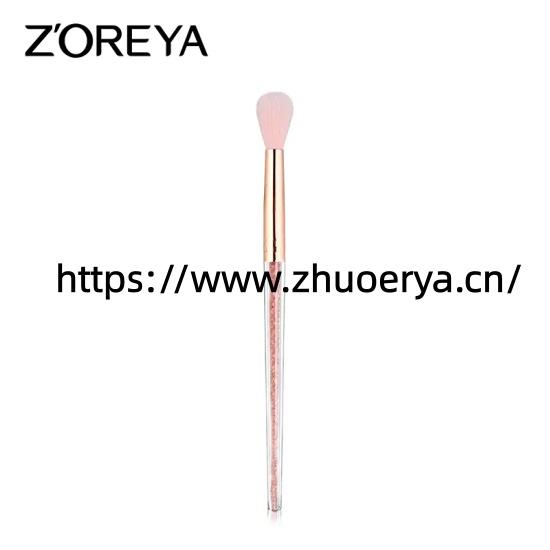
Eye Maquillage Makeup Brushes are an important part of creating expressive cosmetic looks, allowing users to work with color, texture, and detail in different ways. From soft everyday styles to creative evening appearances, the tools used during application can influence how colors are placed and blended. For beauty brands, developing a collection of thoughtfully designed applicators means considering more than appearance. Material selection, handle comfort, fiber arrangement, and visual presentation all contribute to the overall product experience.
Color application is closely connected to personal style. Some consumers enjoy natural shades that create a subtle appearance, while others prefer rich colors and artistic combinations. These different preferences create opportunities for cosmetic brands to develop collections that support various techniques. A suitable applicator can help users control pigment placement, soften color boundaries, and create gradual transitions between different shades.
The choice of fiber material deserves particular attention during product development. Synthetic fibers are commonly selected for their consistent texture, flexibility, and compatibility with different cosmetic formulas. Natural fibers offer another tactile experience and may appeal to consumers who prefer traditional materials. The choice depends on the intended application, brand positioning, consumer expectations, and product design. Evaluating samples under actual usage conditions can help buyers understand how different materials perform. Material characteristics and fiber construction are also important considerations when comparing manufacturing options.
Shape is another detail that influences application techniques. Flat heads can help place color across a defined area, while rounded designs support softer transitions. Tapered tips are useful when working around smaller sections, and angled edges can provide additional control when creating defined lines. Rather than choosing products based entirely on appearance, buyers should consider the techniques their intended customers are likely to use.
Handle design also influences the overall experience. A comfortable grip allows users to maintain control while working with delicate details. The balance between the handle and the applicator head can affect movement, especially when users need to make repeated small adjustments. Smooth finishes, carefully selected materials, and attractive decorative details can make a product feel more coordinated with the rest of a beauty collection.
Another interesting consideration is how consumers organize their cosmetic routines. Some prefer a compact collection containing versatile tools, while professional artists may need different shapes for separate application tasks. A collection can therefore include options for broad color placement, detailed definition, blending, and finishing. Organizing products according to their intended use can also make selection easier for retailers and end consumers.
Cleaning and maintenance should not be overlooked. Cosmetic residue can accumulate between fibers after repeated use, affecting the appearance and handling of an applicator. Buyers should evaluate whether the selected materials are compatible with appropriate cleaning methods. Secure construction, well aligned fibers, and suitable handle finishes are also worth examining during sample evaluation. Providing clear care guidance can help consumers maintain their products as part of their regular beauty routines.
Visual identity is becoming an important consideration for businesses developing cosmetic accessories. Color coordination, handle finishes, metallic details, and packaging can all contribute to a recognizable collection. Minimalist designs may suit brands with a clean visual identity, while decorative finishes and coordinated colors can appeal to consumers who enjoy expressive accessories. Packaging can further connect individual products with a wider retail collection.
Customization gives beauty businesses additional flexibility when developing products for different markets. Buyers may consider fiber materials, head shapes, handle appearances, branding methods, and packaging styles according to their business requirements. Before confirming a production plan, reviewing physical samples can help evaluate the relationship between appearance, comfort, and practical use. Clear communication between buyers and manufacturers also helps establish consistent expectations throughout product development.
Z'OREYA focuses on cosmetic accessories with attention to product design, manufacturing processes, and changing consumer preferences. For distributors, retailers, and private label businesses, a coordinated collection can create opportunities to serve different customer groups while maintaining a recognizable brand identity. Product selection should reflect actual consumer habits, preferred application styles, and the visual direction of the intended collection.
As beauty trends continue to develop, consumers are finding new ways to express individuality through color and creative techniques. Businesses planning their next cosmetic collection can consider how material choices, ergonomic details, and coordinated designs contribute to the complete customer experience. Z'OREYA provides a starting point for buyers interested in developing cosmetic accessory collections and exploring product options for different markets. Visit the official product catalog at https://www.zhuoerya.cn/product/ to review available designs and consider suitable products for your next business collection.








 Vietnam