

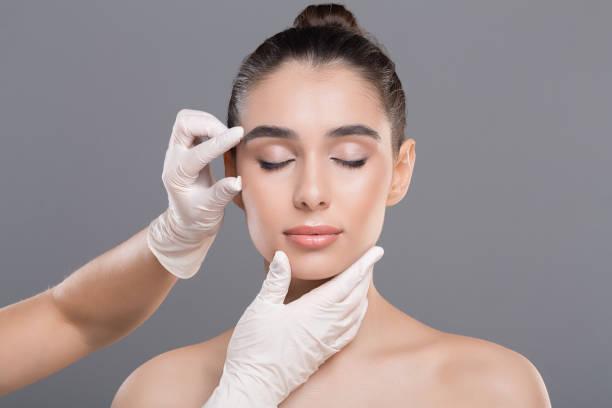
Understanding the different aspects of facelift surgery is important when considering facial rejuvenation. While patients often focus on the surgical procedure itself, anesthesia and facility arrangements are equally important parts of the treatment experience. These elements contribute to patient comfort, safety, surgical planning, and recovery. Knowing what to expect can help you make informed decisions before choosing a clinic for facial enhancement.
When researching facelift surgery in Riyadh, patients should understand that a successful treatment experience involves more than the surgical technique. The type of anesthesia, the medical environment, available equipment, and professional monitoring all play important roles. Learning about these factors can help patients feel more confident and prepared throughout their facelift journey.
Understanding Anesthesia During Facelift Surgery
Anesthesia is an essential part of facelift surgery because it helps manage discomfort and supports patient comfort during the procedure. The appropriate anesthesia approach depends on the surgical technique, treatment complexity, medical history, and individual patient needs.
General Anesthesia
General anesthesia places the patient in a controlled unconscious state throughout the surgical procedure. It may be recommended for more extensive facelift treatments, particularly when several facial areas require attention. Anesthesia professionals continuously monitor important functions, including breathing, heart rate, blood pressure, and oxygen levels.
Local Anesthesia With Sedation
Some facelift procedures may be performed using local anesthesia combined with sedation. Local anesthesia numbs the targeted treatment area, while sedation helps the patient feel relaxed. This approach may be suitable for selected patients undergoing less extensive procedures.
Choosing the Right Anesthesia Method
The choice between general anesthesia and local anesthesia with sedation depends on several clinical considerations. The patient's overall health, surgical expectations, procedure duration, and treatment requirements must be evaluated before making a decision. A qualified anesthesia professional helps determine the most appropriate approach.
Why Anesthesia Safety Matters
Patient safety is a major consideration during every surgical procedure. Before undergoing a facelift, patients typically receive a medical assessment to identify potential health concerns and determine whether they are suitable for anesthesia.
Preoperative Medical Assessment
A preoperative assessment helps the medical team understand the patient's health background. This may include reviewing existing medical conditions, previous surgeries, allergies, current medications, and any history of anesthesia-related complications. Additional investigations may be recommended when clinically necessary.
Continuous Patient Monitoring
During surgery, trained professionals monitor the patient's vital signs and response to anesthesia. Appropriate monitoring helps the medical team identify changes and respond to potential complications promptly. This process is an important part of maintaining a controlled surgical environment.
Understanding Facility Requirements for Facelift Surgery
The surgical facility is another important consideration when researching Facelift Cost in Riyadh. Patients should understand that the quality and suitability of the medical environment can influence their overall treatment experience.
Accredited Surgical Environment
A suitable surgical facility should follow established healthcare standards and maintain appropriate safety protocols. Clean operating rooms, sterilized instruments, infection prevention procedures, and properly maintained medical equipment are essential components of surgical care.
Modern Medical Equipment
Facelift surgery requires specialized equipment to support the surgical team throughout the procedure. Appropriate surgical instruments, anesthesia machines, monitoring systems, and emergency equipment help create a properly prepared treatment environment.
Qualified Medical Support Team
A facelift involves collaboration between different healthcare professionals. The surgical team, anesthesia professionals, nursing staff, and recovery personnel each have important responsibilities. Their coordination supports patient monitoring, surgical preparation, and postoperative care.
What Happens After Facelift Surgery?
Recovery begins immediately after the procedure. Patients are generally monitored in a recovery area while the effects of anesthesia gradually wear off. The medical team checks vital signs and evaluates the patient's comfort before determining when discharge is appropriate.
Initial Recovery and Observation
Temporary swelling, bruising, tightness, and discomfort are common after facelift surgery. These effects vary depending on the surgical technique and individual healing response. Patients should follow their postoperative instructions and attend scheduled follow-up appointments.
Following Postoperative Instructions
Proper aftercare supports the healing process. Patients may be advised to rest, avoid strenuous activities, protect their facial skin, and keep the surgical area clean according to medical instructions. Any unusual symptoms should be reported to the healthcare provider promptly.
Factors to Consider Before Choosing a Facelift Facility
Selecting an appropriate clinic requires careful research. Patients should look beyond promotional information and consider the facility's surgical standards, anesthesia arrangements, medical equipment, and postoperative support.
Understanding these details helps patients evaluate whether a clinic offers an appropriate environment for their treatment. It is also important to discuss potential risks, expected recovery, available surgical techniques, and individual treatment goals during consultation.
Frequently Asked Questions
Is anesthesia necessary for every facelift procedure?
The anesthesia approach depends on the type and complexity of the facelift. Some procedures may require general anesthesia, while selected treatments can be performed using local anesthesia with sedation.
How is patient safety maintained during facelift surgery?
Patient safety involves preoperative assessments, appropriate anesthesia planning, continuous vital sign monitoring, sterile surgical practices, and postoperative observation.
Why is the surgical facility important for a facelift?
A properly equipped surgical facility provides the necessary environment, medical equipment, and trained healthcare professionals to support the procedure and patient monitoring.
How long does it take to recover from facelift anesthesia?
Recovery from anesthesia varies depending on the medication used, individual health, and procedure. Patients may experience temporary drowsiness or nausea as the effects gradually wear off.
What should I ask during a facelift consultation?
Patients should ask about anesthesia options, surgical facility standards, potential complications, recovery expectations, postoperative care, and whether the proposed procedure is appropriate for their needs.
Book Your Facelift Consultation at Enfield Royal Clinic
Choosing the right clinic is an important step toward achieving your facial rejuvenation goals. At Enfield Royal Clinic, patients can discuss their concerns, understand available facelift options, and learn about anesthesia, facility arrangements, and postoperative care. Schedule a consultation to explore a treatment approach based on your individual needs and expectations.








 English