

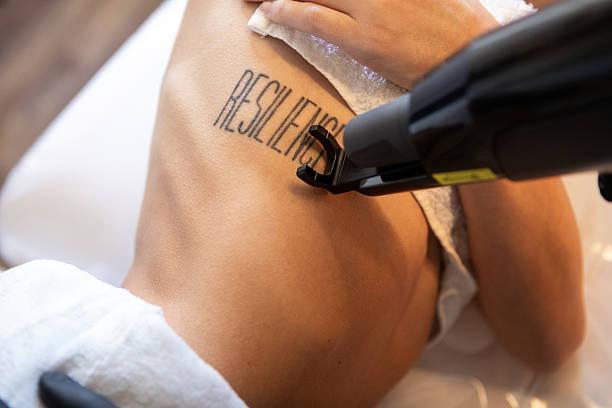
Tattoo removal is a gradual process that requires patience, consistency, and the right treatment approach. Many people who decide to remove an unwanted tattoo want to know how many sessions they might need before noticing significant fading. The answer depends on several factors, including tattoo size, ink color, skin type, ink depth, and the technology used for treatment. Understanding these factors can help you develop realistic expectations and make an informed decision about your tattoo removal journey.
Laser Tattoo Removal in Riyadh is an option for individuals who want to reduce the appearance of unwanted tattoos using advanced laser technology. Each treatment works by targeting tattoo pigment beneath the skin, breaking it into smaller particles that the body gradually clears away. Because this process happens over time, multiple sessions are usually necessary to achieve noticeable fading or the desired level of removal.
How Many Tattoo Removal Sessions Are Usually Needed?
The number of sessions required varies from person to person. Many tattoos need approximately six to twelve sessions, while some may require fewer or considerably more treatments. The final number depends on how the tattoo responds to laser treatment and whether the goal is complete removal or sufficient fading for a cover-up tattoo.
Small and Simple Tattoos
Small tattoos with limited ink and shallow pigment may respond more quickly than larger, more complex designs. However, even a small tattoo can require several sessions if it contains stubborn colors or deeply embedded ink.
Large and Detailed Tattoos
Large tattoos generally require more treatment because they contain a greater amount of pigment across a wider area. Designs with multiple colors, dense shading, and intricate details may also need additional sessions to achieve consistent fading.
Factors That Affect the Number of Sessions
Tattoo Ink Color and Type
Ink color plays an important role in laser tattoo removal. Black and dark blue pigments often respond well to commonly used laser wavelengths, while green, turquoise, yellow, and certain lighter shades can be more challenging to remove. The chemical composition and density of the ink also influence treatment results.
Tattoo Age and Ink Depth
Older tattoos may sometimes fade more easily because the body has already broken down some of the pigment over time. However, age alone does not determine how quickly a tattoo can be removed. Ink placed deeply within the skin or applied in dense layers may require additional sessions.
Skin Type and Individual Healing
Every person's skin responds differently to laser treatment. Skin tone, sensitivity, healing patterns, and the body's ability to clear fragmented pigment can influence the treatment plan. A qualified practitioner should select appropriate laser settings based on the individual's skin and tattoo characteristics.
Laser Technology Used
Different laser systems target particular ink pigments and respond differently to various colors. The choice of technology depends on the tattoo and the individual's skin. Appropriate equipment, treatment settings, and professional assessment help support effective treatment while reducing the risk of complications.
How Much Time Is Needed Between Sessions?
Tattoo removal sessions are generally spaced several weeks apart, often around six to eight weeks or longer, depending on the treatment plan and skin recovery. This interval gives the skin time to heal and allows the body to gradually eliminate the fragmented ink particles.
Scheduling treatments too close together does not necessarily produce faster results. Allowing adequate recovery time can help reduce irritation and support safer treatment. Your practitioner may recommend a longer interval if the treated area needs additional healing.
What to Expect During the Tattoo Removal Process
During the Treatment
Laser tattoo removal commonly produces a sensation similar to small snaps against the skin. The experience varies according to the tattoo's location, size, and individual pain tolerance. Protective eyewear is essential, and the treatment area should be managed according to professional instructions.
After Each Session
Temporary redness, swelling, tenderness, or blistering may occur after treatment. Following aftercare instructions is important for protecting the skin and supporting recovery. Avoid picking at scabs or blisters, protect the area from excessive sun exposure, and contact your healthcare provider if you notice signs of infection or an unexpected reaction.
When Will Results Become Visible?
Some fading may become noticeable after the first few sessions, but results develop gradually. The tattoo may appear lighter between appointments as the body processes the pigment. Complete removal cannot be guaranteed, and some tattoos may leave residual ink, textural changes, or pigmentation differences.
Frequently Asked Questions
Can a tattoo be completely removed in one session?
Complete tattoo removal in one session is generally unrealistic. Laser treatment usually requires multiple appointments because the ink must be broken down gradually and cleared by the body.
Does every tattoo require the same number of sessions?
No. The number of sessions depends on tattoo size, color, age, ink depth, skin characteristics, and the laser technology used.
Can I remove a colored tattoo with a laser?
Many colored tattoos can be treated, but some pigments respond less effectively than others. A professional assessment can help determine the most suitable approach for the specific ink colors.
Is tattoo removal painful?
Discomfort varies between individuals and treatment areas. Many people describe the sensation as brief snapping against the skin. A practitioner can discuss appropriate comfort measures before treatment.
How can I prepare for tattoo removal?
Follow your practitioner's instructions, protect the tattooed area from sun exposure, and inform them about relevant skin conditions, medications, or previous reactions. Avoid treating irritated or injured skin without professional guidance.
Book a Tattoo Removal Consultation at Enfield Royal Clinic
If you are considering tattoo removal and want to understand how many sessions your tattoo might require, arrange a professional assessment at Enfield Royal Clinic. The consultation can help evaluate your tattoo's size, colors, ink depth, and skin characteristics to establish a personalized treatment plan. With realistic expectations, appropriate aftercare, and sufficient time between sessions, you can make a more informed decision about your tattoo removal journey.









 Vietnam