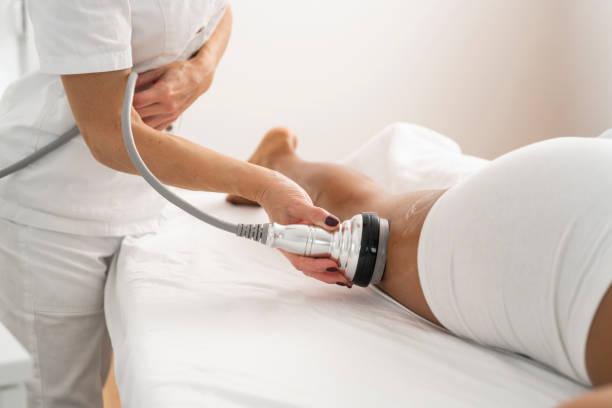
Liposuction is a popular cosmetic procedure designed to remove stubborn pockets of fat and improve body contours. Many people maintain a healthy lifestyle through regular exercise and balanced nutrition but still struggle with fat deposits in specific areas of their bodies. These areas may include the abdomen, thighs, hips, arms, back, and chin. Understanding who may be a suitable candidate for liposuction helps individuals make informed decisions about their body goals and explore whether this procedure aligns with their expectations.
If you are considering Liposuction in Riyadh, understanding the eligibility criteria is an important first step toward achieving your desired body shape. Although liposuction can help refine body contours, it is not a weight-loss solution or a substitute for a healthy lifestyle. The best candidates are generally individuals who are close to their ideal body weight, have localized fat deposits that do not respond to diet and exercise, and understand the procedure's potential benefits and limitations.
What Makes Someone a Good Candidate for Liposuction?
Liposuction suitability depends on several factors, including overall health, body weight, skin elasticity, and personal expectations. A professional medical assessment helps determine whether the procedure is appropriate for an individual's needs.
Individuals With Stubborn Fat Deposits
People who have persistent fat deposits despite maintaining a healthy diet and exercising regularly may benefit from liposuction. Genetics, hormonal changes, and natural body composition can influence where fat accumulates. Liposuction targets these localized areas to create a more balanced body contour.
People Close to Their Ideal Body Weight
Liposuction is generally most suitable for individuals who are near a stable, healthy weight. The procedure focuses on removing localized fat rather than reducing overall body weight. Individuals seeking significant weight loss may benefit more from discussing weight-management options with a qualified healthcare professional before considering cosmetic surgery.
Individuals With Good Skin Elasticity
Skin elasticity plays an important role in how the body looks after fat removal. Skin that can contract effectively may adapt more smoothly to the body's new contours. Individuals with significant loose skin may require an alternative or additional procedure, depending on their goals and medical assessment.
Which Areas Can Liposuction Treat?
Liposuction can address localized fat deposits in several parts of the body. The appropriate treatment areas depend on individual anatomy, health considerations, and desired results.
Abdomen, Waist, and Hips
The abdomen, waist, and hips are common treatment areas for people who want a more defined silhouette. Liposuction may help reduce stubborn fat around the midsection and improve the appearance of body contours when diet and exercise alone have not achieved the desired outcome.
Thighs and Arms
Fat accumulation around the inner or outer thighs and upper arms can affect body proportions. Liposuction may help refine these areas by removing selected fat deposits. However, skin quality and the amount of excess fat must be evaluated to determine whether the procedure is likely to produce satisfactory results.
Chin and Neck
Some individuals develop excess fat beneath the chin or around the neck, which can affect the appearance of the jawline. In suitable candidates, liposuction may help create a more defined profile. A consultation is essential to assess the underlying anatomy and determine whether fat removal is an appropriate option.
Who May Not Be Suitable for Liposuction?
Not everyone is an ideal candidate for liposuction. Individuals with certain medical conditions, significant weight fluctuations, poor skin elasticity, or unrealistic expectations may need further evaluation before proceeding.
People with uncontrolled health conditions or factors that increase surgical risks may be advised to postpone or avoid the procedure. Pregnancy and the recovery period following childbirth may also affect the timing of elective cosmetic surgery. Additionally, liposuction does not treat cellulite effectively or reliably correct substantial loose skin.
A qualified medical professional will review medical history, current medications, lifestyle factors, and treatment goals before making a recommendation. This assessment helps identify potential risks and determine the safest approach for each individual.
What Should You Expect During a Liposuction Consultation?
A consultation is an important opportunity to understand the procedure and decide whether it suits your needs. During the appointment, a medical professional may evaluate the areas you want to treat, assess skin elasticity, review your health history, and discuss your expectations.
You can also ask about the surgical technique, anesthesia, recovery period, potential complications, and expected outcomes. Liposuction involves risks, including swelling, bruising, infection, contour irregularities, and complications associated with surgery or anesthesia. Understanding these considerations helps you make an informed decision.
Realistic expectations are equally important. Results vary according to individual anatomy, the treatment area, and healing. Maintaining a stable weight and healthy lifestyle can help preserve the results over time.
Frequently Asked Questions
1. How do I know if I am a good candidate for liposuction?
You may be a suitable candidate if you are generally healthy, maintain a relatively stable weight, have localized fat deposits, and understand the procedure's limitations. A professional consultation is necessary to assess your individual suitability.
2. Can liposuction help me lose weight?
Liposuction is designed to remove localized fat and improve body contours rather than achieve substantial weight loss. People seeking significant weight reduction should discuss appropriate options with a healthcare professional.
3. Is liposuction suitable for people with loose skin?
Individuals with mild skin laxity may still be considered, depending on their circumstances. However, significant loose skin may not tighten adequately after fat removal, so alternative or additional treatments may need to be discussed.
4. Can liposuction treat fat in multiple body areas?
Liposuction can sometimes address multiple areas during one treatment plan. The decision depends on the patient's health, the extent of the procedure, and safety considerations determined by the treating medical team.
5. How long do liposuction results last?
Fat cells removed during liposuction do not grow back in the same way, but remaining fat cells can enlarge with weight gain. Maintaining a stable weight and healthy habits can help support long-term results.
Schedule Your Liposuction Consultation
If you are exploring body-contouring options and want to understand whether liposuction is right for you, Enfield Royal Clinic can be a starting point for discussing your aesthetic goals and treatment options. Arrange a consultation to learn about the procedure, eligibility requirements, potential risks, and expected recovery so you can make a well-informed decision based on your individual needs.









 Vietnam