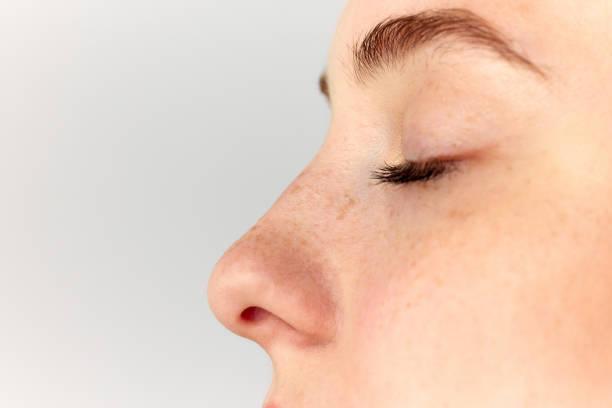
Revision rhinoplasty is a secondary nose surgery performed to address concerns that remain after an initial rhinoplasty or develop during the healing process. Patients may consider this procedure to improve nasal symmetry, refine the shape of the nose, or correct functional problems that affect breathing. Understanding the procedure, recovery process, and realistic outcomes can help patients make informed decisions about their next steps.
Choosing Rhinoplasty in Riyadh gives patients an opportunity to explore nasal refinement options with professional guidance. Those researching rhinoplasty riyadh should understand that revision surgery is generally more complex than an initial procedure because the nasal tissues may have healed with scar tissue or changes in their underlying structure. A careful assessment is essential to determine whether another operation is appropriate.
What Is Revision Rhinoplasty?
Revision rhinoplasty is designed to correct or improve the results of a previous nose surgery. While some patients seek further cosmetic refinement, others may experience breathing difficulties, irregular contours, or structural changes following their initial procedure.
The treatment plan depends on the patient's concerns, nasal anatomy, healing history, and overall health. Since every nose is different, revision surgery requires an individualized approach that balances aesthetic goals with nasal function.
Common Reasons Patients Consider Revision Surgery
Patients may consider revision rhinoplasty when they notice persistent asymmetry, an uneven nasal bridge, an unsatisfactory tip shape, or changes that developed during healing. Some individuals may also experience nasal obstruction caused by structural problems that require medical evaluation.
It is important to distinguish between normal postoperative swelling and a lasting concern. The nose can take many months to settle into its final shape, so an early assessment does not always indicate that another procedure is necessary.
When Is the Right Time for Revision Rhinoplasty?
Timing is an important consideration before undergoing another nasal operation. Surgeons commonly recommend waiting approximately 12 months after the initial rhinoplasty, although the appropriate interval depends on the complexity of the original procedure, the healing process, and the nature of the concern.
During this period, swelling gradually decreases and the nasal tissues become more stable. Operating too early may make it difficult to evaluate the final results and can increase surgical challenges. However, significant breathing problems or other complications should be assessed promptly by a qualified medical professional rather than left unaddressed.
How Is Revision Rhinoplasty Performed?
Revision rhinoplasty begins with a detailed consultation and examination. The clinician reviews the patient's medical history, previous surgical details, current symptoms, and desired improvements before discussing suitable treatment options.
Open and Closed Surgical Techniques
An open rhinoplasty technique involves a small incision between the nostrils, allowing the surgeon to access and examine the underlying nasal structures. A closed technique uses incisions inside the nostrils. The appropriate method depends on the corrections required and the complexity of the case.
Addressing Structural Concerns
Revision procedures may involve reshaping cartilage, improving nasal support, or correcting irregularities in the bridge and tip. In some cases, cartilage grafts may be needed to reinforce the nasal structure. The source of suitable cartilage depends on the individual case and may include the nasal septum, ear, or rib.
The main objective is to achieve a stable, natural-looking result while preserving or improving breathing function. Complete symmetry cannot be guaranteed, and the achievable outcome depends on the existing anatomy and tissue condition.
Recovery After Revision Rhinoplasty
Recovery varies according to the surgical technique and the extent of correction. Patients may experience swelling, bruising, tenderness, and temporary nasal congestion during the early healing period. Following postoperative instructions is essential for supporting recovery and reducing avoidable complications.
Patients should attend follow-up appointments, protect the nose from accidental impact, and avoid strenuous exercise until their surgical team confirms that it is safe. They should also avoid blowing their nose or using nasal products unless permitted by their clinician.
Although initial recovery may take a few weeks, subtle swelling can persist for several months or longer. Patience is particularly important after revision surgery because previously operated tissues may take longer to settle.
Who Is a Suitable Candidate?
Suitable candidates are generally individuals whose nasal tissues have sufficiently healed and who have specific concerns that can reasonably be addressed through surgery. Candidates should be in appropriate overall health, understand the limitations of revision procedures, and have realistic expectations.
A thorough consultation helps determine whether surgery, non-surgical management, or continued observation is the most appropriate option. Revision rhinoplasty also carries risks, including bleeding, infection, scarring, persistent breathing difficulties, and the possibility of needing further treatment.
Frequently Asked Questions
What is the main purpose of revision rhinoplasty?
Revision rhinoplasty aims to address concerns following an earlier nose surgery, including cosmetic irregularities, structural problems, or breathing difficulties.
How long should I wait before considering revision rhinoplasty?
Many patients are advised to wait around 12 months after their initial procedure. The exact timing depends on healing, symptoms, and professional assessment.
Is revision rhinoplasty more complicated than primary rhinoplasty?
Yes, it can be more complex because scar tissue, altered anatomy, and reduced cartilage availability may make surgical planning more challenging.
Can revision rhinoplasty improve breathing?
It may improve breathing when the problem is caused by a correctable nasal structural issue. A proper examination is necessary to identify the cause and determine the appropriate treatment.
Will revision rhinoplasty guarantee my desired results?
No surgical procedure can guarantee a specific outcome. Results depend on individual anatomy, tissue healing, the nature of the correction, and other medical factors.
Book Your Revision Rhinoplasty Consultation
If you are considering another nose procedure, begin with a professional assessment to understand your options and establish realistic expectations. Enfield Royal Clinic offers patients an opportunity to discuss their nasal concerns, learn about available treatment approaches, and explore an individualized care plan. Arrange a consultation to take an informed step toward your aesthetic and functional goals.











 English