

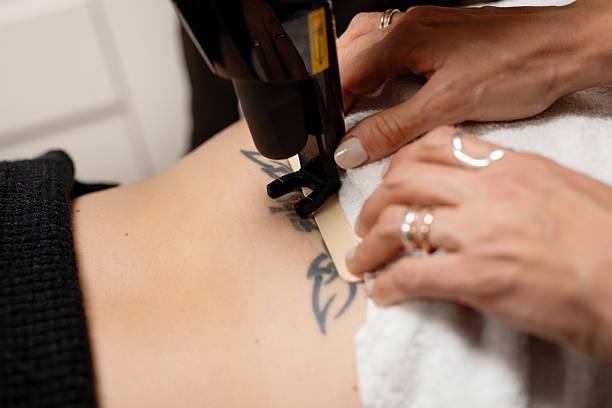
Tattoo removal is a popular option for people who want to fade or completely remove unwanted body art. However, one of the most common questions is whether the size of a tattoo affects how long the removal process takes. The answer is yes, tattoo size can influence the overall treatment time, but it is not the only factor that determines how quickly a tattoo fades. Ink depth, color, skin type, and the body's natural healing response also play important roles.
For people considering Laser Tattoo Removal in Riyadh, understanding these factors can help establish realistic expectations before starting treatment. Whether you have a small symbol or a large, detailed design, professional tattoo removal can help reduce unwanted ink gradually. If you are researching tattoo removal riyadh, learning how tattoo size affects treatment sessions can help you make a more informed decision about your skin care journey.
How Does Tattoo Size Affect Removal Time?
Tattoo size can influence the duration of each treatment session and the total number of sessions required. Smaller tattoos generally take less time to treat because they cover a smaller area of skin. Larger tattoos may require longer appointments or more extensive treatment planning to address the entire design.
However, the time needed for complete removal varies from person to person. A small tattoo with dense, dark ink may be more challenging to remove than a larger tattoo with lighter, less concentrated ink. A qualified practitioner evaluates the tattoo's characteristics and your skin before recommending a personalized treatment plan.
Small Tattoos
Small tattoos, such as initials, tiny symbols, or simple outlines, are often quicker to treat during an individual session. Their limited size allows the treatment provider to focus on a smaller area. Nevertheless, several sessions may still be necessary because laser treatment works gradually, allowing the body's immune system to clear fragmented ink particles.
Medium-Sized Tattoos
Medium-sized tattoos typically require more treatment time than small designs because they cover a larger area. Their removal also depends on the ink's density, the number of colors, and whether the tattoo was professionally applied. Consistent treatment intervals and appropriate aftercare help support the skin's recovery throughout the process.
Large Tattoos
Large tattoos, including sleeves and detailed back designs, generally require more extensive treatment. Depending on their size and complexity, they may need longer appointments or treatment divided into manageable sections. Complete removal can take many months or longer, particularly when the tattoo contains multiple colors or deeply deposited ink.
Other Factors That Influence Tattoo Removal Time
Although tattoo size matters, several other characteristics can significantly affect treatment progress.
Ink Color and Density
Black and dark blue inks often respond well to commonly used laser wavelengths. Green, yellow, turquoise, and other colors may be more challenging because different pigments respond differently to laser energy. Tattoos with dense or heavily layered ink can also require additional sessions.
Tattoo Age and Ink Depth
Older tattoos may have faded naturally, potentially making them easier to treat in some cases. However, age alone does not guarantee faster removal. Professional tattoos may contain ink deposited more consistently or deeply than some amateur tattoos, which can influence the treatment response.
Skin Type and Healing Response
Every person's skin responds differently to laser treatment. Skin tone, individual healing characteristics, and the body's ability to clear fragmented pigment can influence the treatment approach and overall timeline. A qualified provider selects appropriate settings to balance effectiveness with skin safety.
What Happens During Laser Tattoo Removal?
Laser tattoo removal uses targeted light energy to break tattoo pigment into smaller particles. The body's immune system gradually processes and clears these particles over time. Because this process continues after the appointment, tattoos do not disappear immediately after treatment.
Sessions are usually spaced several weeks apart to allow adequate healing. Attempting treatments too frequently may increase the risk of irritation, pigmentation changes, and scarring. Following professional instructions and protecting the treated area from excessive sun exposure are important parts of recovery.
How Can You Prepare for Tattoo Removal?
Before treatment, arrange a consultation to discuss your tattoo's size, colors, age, and location. Share relevant medical and skin history so the practitioner can assess whether laser treatment is suitable for you. Ask about the expected number of sessions, possible side effects, and realistic removal outcomes.
After each session, keep the treated area clean, follow the recommended aftercare routine, and avoid picking blisters or scabs. Protecting your skin and attending appointments at appropriate intervals can support recovery. Complete removal cannot be guaranteed, and some tattoos may leave residual pigment or a faint outline.
Frequently Asked Questions
Does a bigger tattoo always take longer to remove?
Larger tattoos generally require more treatment time because they cover more skin. However, ink color, density, depth, and individual healing responses can be just as important as size.
How many sessions are needed to remove a small tattoo?
The number varies according to the tattoo's characteristics and how your skin responds. Even a small tattoo may require multiple sessions, with healing time between appointments.
Can a large tattoo be removed completely?
Some large tattoos can be removed substantially or completely, but results vary. Certain pigments may remain visible, and complete removal cannot be guaranteed.
Does tattoo color affect removal time?
Yes. Some colors respond more readily to laser wavelengths than others. Multicolored tattoos may need different treatment settings and additional sessions.
How long should I wait between tattoo removal sessions?
The appropriate interval depends on the treatment and your healing progress. Sessions are commonly spaced several weeks apart, and your practitioner should recommend a suitable schedule.
Short Consultation at Enfield Royal Clinic
If you are considering tattoo removal and want to understand how your tattoo's size may affect your treatment timeline, arrange a consultation with Enfield Royal Clinic. A personalized assessment can help determine a suitable approach based on your tattoo's size, ink colors, skin characteristics, and removal goals. Take the first step toward clearer-looking skin with informed expectations and professional guidance.










 English