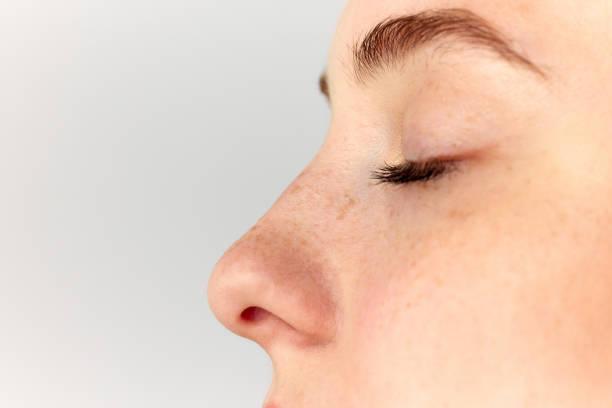
Rhinoplasty is a popular cosmetic procedure designed to reshape the nose, improve facial harmony, and address certain functional concerns. Whether you want to refine the nasal tip, adjust the bridge, or improve the overall appearance of your nose, understanding the procedure can help you make an informed decision. Choosing a suitable clinic and learning about the factors that influence treatment planning are important steps toward achieving natural-looking results.
When researching Rhinoplasty in Riyadh, it is essential to understand that every patient has different aesthetic goals and medical needs. People searching for nose surgery in saudi arabia price should also consider the complexity of the procedure, the surgical approach, the clinical facilities, and the aftercare provided. Looking beyond the financial aspect helps you evaluate the overall quality and suitability of treatment.
Understanding Rhinoplasty and Its Benefits
Rhinoplasty, commonly known as nose reshaping surgery, involves changing the structure of the nose to improve its appearance or function. The procedure may address a prominent nasal bridge, a wide nose, asymmetry, a drooping nasal tip, or structural issues that affect breathing.
Cosmetic and Functional Improvements
Cosmetic rhinoplasty focuses on improving the nose's proportions and its relationship with other facial features. Functional rhinoplasty may address structural problems that interfere with normal breathing. In some cases, both aesthetic and functional concerns can be considered during the same procedure, depending on the patient's needs and medical assessment.
Personalized Treatment Planning
Every nose has a unique structure, and the most appropriate surgical approach depends on factors such as skin thickness, cartilage strength, bone structure, and previous nasal procedures. A personalized consultation helps establish realistic expectations and determine whether rhinoplasty is suitable for your goals.
Important Factors to Consider When Evaluating Rhinoplasty
Understanding the elements involved in rhinoplasty can help you compare treatment options and make a confident decision.
Complexity of the Procedure
The extent of reshaping required is an important consideration. Minor adjustments to the nasal tip may involve a different level of complexity than significant changes to the nasal bridge or internal nasal structures. More extensive procedures may require additional planning, surgical time, and postoperative monitoring.
Surgical Technique
Rhinoplasty may be performed using an open or closed surgical approach. Open rhinoplasty involves a small incision across the tissue between the nostrils, allowing greater visibility of the underlying structures. Closed rhinoplasty uses incisions inside the nostrils. The appropriate technique depends on the patient's anatomy, desired changes, and the surgeon's clinical judgment.
Clinic Facilities and Safety Standards
The clinical environment plays an important role in patient safety. When considering rhinoplasty, look for a licensed medical facility with appropriate surgical equipment, qualified professionals, established hygiene protocols, and suitable anesthesia and emergency arrangements. A thorough preoperative assessment is also essential for identifying potential risks.
Experience and Qualifications
The qualifications and relevant experience of the surgeon should be central to your decision. Review their credentials, experience with comparable procedures, and approach to patient communication. A responsible consultation should explain the expected results, possible limitations, recovery requirements, and potential complications without promising perfection.
Aftercare and Recovery Support
Rhinoplasty recovery requires patience and adherence to medical instructions. Swelling, bruising, and temporary nasal congestion may occur during the initial recovery period. Follow-up appointments help monitor healing and identify any concerns. Although many patients notice gradual improvements within weeks, subtle swelling can persist for months, and final results may take a year or longer to develop.
How to Prepare for Rhinoplasty in Riyadh
Preparation begins with an honest discussion about your medical history, current medications, breathing concerns, and desired appearance. Your healthcare team may recommend specific examinations or adjustments to medications before surgery. Follow all preoperative instructions carefully, including guidance regarding smoking, alcohol, and fasting when applicable.
It is also helpful to arrange transportation and assistance during the early recovery period. Planning time away from work and strenuous activities can make healing more manageable. Avoid comparing your expected results with someone else's because individual anatomy and healing patterns differ.
Choosing the Right Clinic for Your Needs
Selecting a clinic involves more than reviewing photographs or promotional claims. Look for transparent communication, a detailed consultation process, appropriate medical credentials, and clear explanations of the treatment plan. Before-and-after photographs may help you understand a surgeon's aesthetic approach, but individual outcomes cannot be guaranteed.
A trustworthy provider should encourage questions and allow you enough time to make your decision. Understanding the benefits, limitations, risks, and recovery process helps you approach rhinoplasty with realistic expectations.
Frequently Asked Questions
What factors should I consider before rhinoplasty?
Consider your health, aesthetic goals, nasal anatomy, the surgeon's qualifications, clinic safety standards, and the expected recovery process before deciding on surgery.
Can rhinoplasty improve breathing as well as appearance?
Yes, rhinoplasty may address certain structural issues affecting breathing while changing the nose's appearance. The appropriate treatment depends on an individual medical assessment.
How long does rhinoplasty recovery take?
Initial recovery generally takes several weeks, although swelling may continue to improve over several months. Final results can take a year or longer to become fully apparent.
Will rhinoplasty give me the exact nose I want?
Rhinoplasty can improve nasal proportions, but results depend on anatomy, healing, and surgical limitations. A consultation helps establish realistic expectations rather than guaranteeing a specific appearance.
How can I choose a suitable rhinoplasty clinic in Riyadh?
Look for a licensed facility, qualified surgical professionals, appropriate safety standards, personalized treatment planning, and reliable postoperative follow-up.
Book Your Rhinoplasty Consultation
If you are considering nose reshaping, a professional consultation is an important first step toward understanding your options. Enfield Royal Clinic can be a starting point for exploring rhinoplasty treatment, discussing your aesthetic goals, and learning about the assessment and recovery process. Seek a personalized medical evaluation to determine the most appropriate approach for your needs and make an informed decision about your treatment.











 Vietnam