
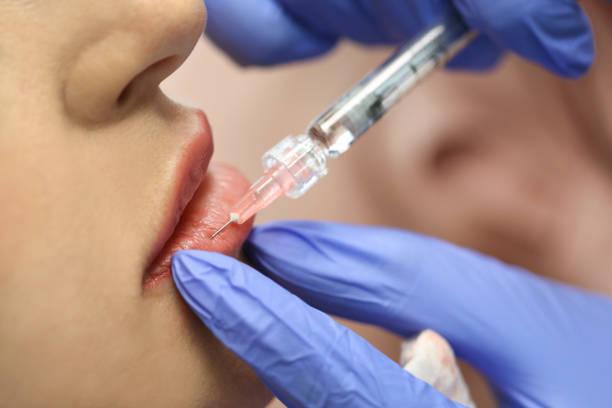
Lip fillers are a popular cosmetic treatment for enhancing lip volume, improving symmetry, and creating a more defined appearance. Although the procedure is generally quick, mild swelling, tenderness, and bruising can occur afterward as part of the body's natural healing response. Understanding how to manage these temporary effects can make your recovery more comfortable and help you achieve the best possible results.
Choosing Lip Fillers in Riyadh allows individuals to explore personalized lip enhancement options suited to their facial features and aesthetic preferences. However, proper aftercare is just as important as the treatment itself. Following professional instructions, protecting your lips, and allowing sufficient time for healing can help minimize discomfort and support a smoother recovery. If you are considering facial fillers in riyadh, understanding the recovery process can help you prepare for treatment with greater confidence.
Why Do Swelling and Bruising Occur After Lip Fillers?
Swelling and bruising are common temporary reactions following lip filler injections. The lips contain numerous small blood vessels and have delicate tissue, making them particularly sensitive to injections. Swelling occurs as fluid accumulates around the treated area, while bruising may develop when a small blood vessel is affected during the procedure.
The severity of these effects varies from person to person. Some individuals experience only slight puffiness, while others notice more visible swelling or discoloration. These reactions typically improve over several days, although complete settling may take longer.
How Long Does Lip Filler Swelling Last?
Swelling is often most noticeable during the first 24 to 48 hours after treatment. It generally begins to decrease over the following days, with many people seeing substantial improvement within one week. However, the final appearance of the lips may take approximately two weeks to settle.
How Long Does Bruising Last?
Bruising usually fades gradually over several days to two weeks. Its duration depends on individual healing, the extent of bruising, and other factors such as medications that affect blood clotting. Avoiding unnecessary pressure on the lips can help prevent additional irritation during recovery.
Effective Tips for Reducing Swelling After Lip Fillers
Apply a Cold Compress Carefully
A cool compress can help ease swelling and discomfort during the first 24 to 48 hours. Wrap an ice pack in a clean, soft cloth and gently place it against the lips for short intervals. Never apply ice directly to the skin, and avoid pressing firmly on the treated area.
Keep Your Head Elevated
Keeping your head slightly elevated, particularly when sleeping during the first couple of nights, may help reduce fluid accumulation. Using an extra pillow can make this easier. Avoid sleeping face-down or placing pressure on your lips while they are healing.
Stay Hydrated and Maintain a Balanced Diet
Drinking enough water supports normal bodily functions and overall recovery. Eating balanced meals containing fruits, vegetables, and other nutrient-rich foods can also support general healing. However, hydration and diet cannot eliminate swelling immediately, so patience remains important.
How to Minimize Bruising After Lip Fillers
Avoid Strenuous Exercise Temporarily
Intense exercise can increase blood flow and potentially worsen swelling or bruising immediately after treatment. Consider avoiding strenuous workouts for approximately 24 to 48 hours, or for the period recommended by your practitioner. Gentle everyday activities are generally preferable during the initial recovery period.
Avoid Excessive Heat
Hot baths, saunas, steam rooms, and other sources of intense heat may aggravate swelling soon after injections. Avoid these activities during the early recovery period and follow your practitioner's specific aftercare guidance.
Be Careful With Medications and Supplements
Certain medications and supplements can increase the likelihood of bruising. Do not stop prescribed medication without medical advice. Ask your healthcare professional whether any supplements or non-prescription products you use require special consideration before or after treatment.
What Should You Avoid After Lip Fillers?
Avoid massaging, squeezing, or repeatedly touching your lips unless your treating professional specifically instructs you to do so. Unnecessary manipulation may irritate the area and interfere with healing. It is also sensible to avoid smoking during the initial recovery period, as smoking can affect healing.
Follow your practitioner's advice regarding makeup, skincare products, and lipstick application. Keeping the treated area clean and avoiding unnecessary irritation can help reduce the risk of complications.
When Should You Seek Medical Attention?
Although mild swelling and bruising are expected, certain symptoms require urgent assessment. Severe or increasing pain, unusual skin discoloration such as pale, dusky, or mottled patches, cool skin around the lips, or changes in vision may indicate a rare but serious complication involving blood flow. Seek emergency medical care immediately if these symptoms occur.
Increasing redness, warmth, pus, fever, or worsening swelling may also indicate an infection or another complication and should be assessed promptly. Do not assume that severe or worsening symptoms are part of normal healing.
Frequently Asked Questions
1. Is swelling normal after lip filler treatment?
Yes, mild to moderate swelling is common after lip filler injections. It usually improves over several days, although the lips may take around two weeks to settle fully.
2. Can I use ice to reduce lip filler swelling?
Yes, a cool compress wrapped in a clean cloth may help reduce discomfort and swelling. Apply it gently for short intervals and never place ice directly on your lips.
3. Can I wear makeup after getting lip fillers?
It is best to follow your practitioner's instructions about when to resume wearing lipstick or other products around the treated area. Avoid applying makeup to injection sites until advised that it is safe.
4. When can I exercise after lip fillers?
Many practitioners recommend avoiding strenuous exercise for 24 to 48 hours. Your individual instructions may differ depending on your treatment and recovery.
5. When should I worry about bruising or swelling?
Seek prompt medical advice if symptoms worsen rather than improve. Severe pain, unusual skin discoloration, cool skin, or vision changes require immediate emergency assessment.
Book Your Lip Filler Consultation at Enfield Royal Clinic
Proper aftercare can make your lip filler recovery more comfortable and help you understand what to expect at each stage. At Enfield Royal Clinic, you can discuss your aesthetic goals, learn about lip enhancement options, and receive professional guidance on treatment preparation and aftercare. Schedule a consultation to explore an approach tailored to your needs and support a safe, informed cosmetic experience.











 English