

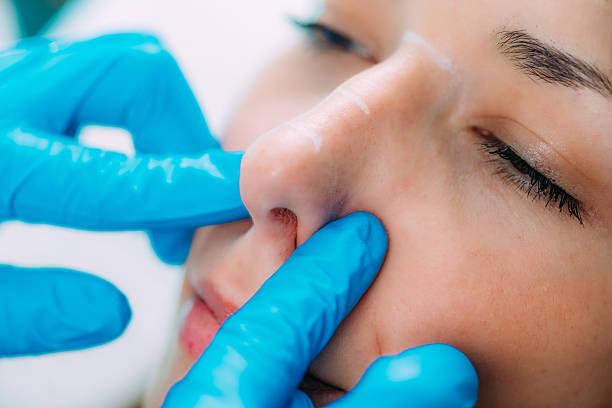
Choosing to undergo nose surgery is a personal decision that may involve both health and appearance concerns. Rhinoplasty in Riyadh offers patients an opportunity to explore surgical options for improving nasal function, refining facial features, or addressing both concerns together. Understanding the difference between functional and cosmetic rhinoplasty can help you make an informed decision based on your needs and expectations.
For individuals researching rhinoplasty in saudi arabia, it is important to understand that nose surgery is not always performed for aesthetic reasons. Some patients experience breathing difficulties caused by structural problems, while others wish to change the shape, size, or proportions of their nose. Although these procedures have different primary goals, they can sometimes be performed together following a comprehensive medical assessment.
What Is Functional Rhinoplasty?
Functional rhinoplasty focuses on improving the structure of the nose to support comfortable breathing and proper nasal function. It may be recommended for people experiencing airflow obstruction, structural abnormalities, or nasal problems that affect their everyday lives.
Common Reasons for Functional Rhinoplasty
A deviated nasal septum is one possible reason for nasal obstruction. The septum is the wall separating the two nasal passages, and when it is significantly displaced, it may restrict airflow through one or both sides of the nose. Surgery to correct this problem may involve septoplasty, which is different from cosmetic reshaping.
Other concerns may include weakened nasal structures, narrow nasal passages, or changes caused by an injury. Depending on the underlying problem, a surgeon may recommend structural adjustments to improve airflow and support the nose. Not every breathing problem requires rhinoplasty, so an appropriate examination is essential before choosing treatment.
What Is Cosmetic Rhinoplasty?
Cosmetic rhinoplasty is primarily performed to change the appearance of the nose and improve its relationship with other facial features. Patients may consider this procedure when they feel that the shape or proportions of their nose do not match their aesthetic preferences.
Aesthetic Concerns Addressed by Cosmetic Rhinoplasty
Cosmetic rhinoplasty may involve reducing a prominent nasal bridge, refining the nasal tip, adjusting the width of the nose, or improving the appearance of asymmetry. The exact changes depend on the patient's facial anatomy, skin characteristics, and desired outcome.
A successful treatment plan aims to create balanced, natural-looking proportions rather than simply copying another person's nose. During consultation, patients should discuss their expectations openly and understand that surgical results vary. Rhinoplasty can change the shape of the nose, but it cannot guarantee perfect symmetry or a specific appearance.
Functional vs. Cosmetic Rhinoplasty: Key Differences
The main difference between these procedures is their primary purpose. Functional rhinoplasty addresses structural problems that interfere with nasal breathing, while cosmetic rhinoplasty focuses on aesthetic improvements. Functional procedures require careful assessment of nasal airflow and internal anatomy, whereas cosmetic planning places greater emphasis on external shape and facial harmony.
However, the two approaches are not mutually exclusive. A patient may have both a deviated septum and concerns about the appearance of the nose. In such cases, a combined procedure may be considered if the surgeon determines that it is medically appropriate.
Can Both Procedures Be Performed Together?
Yes, functional and cosmetic corrections can sometimes be completed during the same operation. Combining procedures may allow the surgeon to address breathing concerns and aesthetic goals within one treatment plan. However, suitability depends on the patient's condition, medical history, nasal structure, and overall health.
Patients should discuss the potential benefits, limitations, risks, and recovery requirements before deciding whether combined surgery is appropriate.
What to Expect Before and After Rhinoplasty
Preparation begins with a consultation and assessment of the nose, breathing concerns, medical history, and personal goals. Your surgeon may examine the internal nasal structures and discuss whether functional treatment, cosmetic changes, or a combination of both is suitable. Patients should also disclose medications, allergies, previous nasal surgery, and any relevant medical conditions.
Recovery and Healing
Recovery varies depending on the type and extent of surgery. Swelling, bruising, and temporary nasal congestion may occur during the initial healing period. Following postoperative instructions, attending scheduled follow-up appointments, and avoiding strenuous activities until medically cleared can support recovery.
Although some changes become noticeable as early swelling decreases, the nose may continue to refine over several months. Final results can take a year or longer to develop, particularly when extensive structural changes have been made. Your surgical team can explain what to expect based on your individual procedure.
Frequently Asked Questions
Is functional rhinoplasty different from septoplasty?
Yes. Septoplasty specifically corrects problems involving the nasal septum to improve airflow. Functional rhinoplasty may involve additional structural changes to support breathing, depending on the underlying condition.
Does cosmetic rhinoplasty improve breathing?
Cosmetic rhinoplasty is primarily intended to change appearance and does not automatically improve nasal breathing. If functional problems are present, they should be assessed and addressed as part of the surgical plan when appropriate.
Can I combine functional and cosmetic rhinoplasty?
Yes, both can sometimes be performed during the same operation. Your surgeon must assess your nasal anatomy, breathing concerns, health, and aesthetic goals to determine whether combining the procedures is suitable.
How long does rhinoplasty recovery take?
Initial swelling and bruising often improve over the first few weeks, but healing continues for months. The timeline depends on the extent of surgery and individual healing characteristics.
How do I know which type of rhinoplasty I need?
A professional assessment can help determine whether your concerns are functional, cosmetic, or both. Your surgeon will evaluate your nasal structure, breathing, medical history, and expectations before recommending an appropriate approach.
Book Your Rhinoplasty Consultation at Enfield Royal Clinic
If you are considering Rhinoplasty in Riyadh, understanding your options is an important first step. Enfield Royal Clinic can help you explore your concerns, discuss suitable treatment approaches, and understand the assessment and recovery process. Schedule a consultation to discuss your goals and receive guidance tailored to your individual needs.












 Vietnam