
Facial appearance plays an important role in how people feel about their overall look. Some individuals naturally have fuller cheeks that remain prominent even after maintaining a healthy lifestyle. Buccal fat removal is a cosmetic procedure designed to reduce excess fat from the lower cheeks, creating a more defined facial appearance. Understanding what happens during Buccal Fat Removal in Riyadh can help patients feel more confident and prepared before considering treatment.
Also known as cheek fat removal, this procedure focuses on reducing the buccal fat pads located inside the lower cheeks. These fat pads contribute to facial fullness and can sometimes create a rounder appearance. By carefully removing a suitable amount of fat, the procedure may enhance cheekbone definition and create a more sculpted facial contour. However, the results depend on individual facial anatomy and natural fat distribution.
Understanding the Buccal Fat Removal Procedure
Buccal fat removal is a cosmetic surgical procedure performed to reduce fullness in the lower cheek area. Unlike treatments that target fat beneath the skin, this technique involves accessing the buccal fat pads through small incisions inside the mouth.
How Does the Procedure Work?
During the procedure, the treatment area is carefully assessed to determine the appropriate amount of fat to remove. The surgeon makes a small incision inside each cheek, allowing access to the buccal fat pads. A controlled amount of fat is then removed to improve facial definition while maintaining natural-looking proportions.
The incisions are generally closed with dissolvable stitches. Since the procedure is performed inside the mouth, there are no external facial incisions or visible surgical scars.
Who May Consider Buccal Fat Removal?
Adults with naturally fuller lower cheeks may consider this procedure if they want a more defined facial appearance. Suitable candidates generally have stable body weight, realistic expectations, and good overall health.
However, individuals with naturally narrow faces, significant facial volume loss, or certain medical conditions may not be suitable candidates. A professional assessment is important before deciding whether this treatment is appropriate.
What Happens Before the Procedure?
Preparation is an important part of achieving a safe and satisfactory surgical experience. Before treatment, patients attend a consultation to discuss their concerns, facial structure, medical history, and desired results.
Facial Assessment and Consultation
During the consultation, the surgeon examines the cheeks and evaluates the natural distribution of facial fat. This assessment helps determine whether removing buccal fat is likely to improve facial balance.
Patients should discuss their expectations openly and mention any medications, allergies, previous procedures, or existing health conditions. The surgeon may also explain alternative treatments if buccal fat removal is not the most suitable option.
Preparing for Treatment
Patients receive specific preparation instructions based on their medical needs and the planned anesthesia. These instructions may include avoiding certain medications, following fasting guidelines, and arranging transportation home after surgery.
Following professional guidance helps reduce potential complications and supports a smoother treatment experience.
What to Expect During Buccal Fat Removal in Riyadh
The procedure itself is generally performed using local anesthesia, although sedation or general anesthesia may be recommended depending on the patient's circumstances.
Anesthesia and Incision
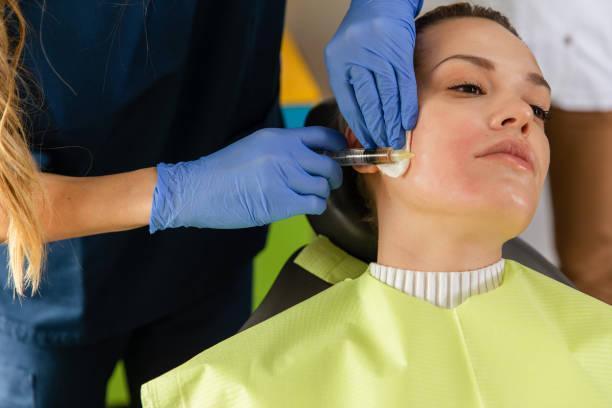
Before beginning, the treatment area is numbed to minimize discomfort. Once the anesthesia takes effect, the surgeon makes a small incision inside the mouth near the upper molars.
This internal approach allows access to the buccal fat pads without creating visible cuts on the outside of the face.
Removal of Excess Buccal Fat
After accessing the fat pads, the surgeon carefully identifies and removes an appropriate amount of buccal fat. The goal is to create a balanced facial contour rather than remove as much fat as possible.
Removing too much fat can lead to an overly hollow appearance, particularly as the face naturally loses volume with age. Therefore, careful judgment and an individualized treatment approach are essential.
Closing the Incisions
Once the desired amount of fat has been removed, the surgeon closes the incisions using dissolvable stitches. The treatment area is then checked before the patient begins the recovery process.
The procedure often takes around 30 to 60 minutes, although the exact duration varies depending on individual circumstances and surgical technique.
Recovery After Buccal Fat Removal
Recovery is an important part of the overall treatment journey. Patients may experience temporary swelling, mild bruising, tenderness, or discomfort around the cheeks during the initial healing period.
The First Few Days
Swelling is common immediately after surgery and may temporarily make the cheeks appear fuller. Patients are generally advised to follow a soft-food diet initially, maintain good oral hygiene, and avoid activities that could irritate the surgical area.
Following the surgeon's instructions regarding medication, mouth rinses, and eating habits can support healing.
When Will Results Become Visible?
Facial definition develops gradually as swelling decreases. Some improvements may become noticeable within a few weeks, while the final contour can take several months to become apparent.
Patience is important because the face needs sufficient time to heal and adjust after the removal of buccal fat.
Frequently Asked Questions
Is buccal fat removal a painful procedure?
The procedure is performed under anesthesia, so patients should not experience significant pain during surgery. Mild discomfort, swelling, and tenderness may occur afterward and can usually be managed with prescribed medication.
How long does buccal fat removal take?
The procedure generally takes around 30 to 60 minutes. The exact duration depends on the patient's facial anatomy, surgical approach, and anesthesia requirements.
Will there be visible scars after buccal fat removal?
The incisions are made inside the mouth, so there are generally no visible external scars. The internal incisions usually heal naturally with appropriate aftercare.
How long does recovery take after cheek fat removal?
Initial swelling and discomfort generally improve over the first one to two weeks. However, complete healing and the development of final facial contours may take several months.
Are the results of buccal fat removal permanent?
The removed fat cells do not grow back. However, natural aging, weight changes, and other factors can influence facial appearance over time.
Book Your Consultation at Enfield Royal Clinic
If you are considering facial contouring and want to understand whether this procedure suits your needs, a professional consultation is the right starting point. At Enfield Royal Clinic, patients can receive an individualized facial assessment, discuss their aesthetic goals, and learn about the procedure, expected recovery, and possible outcomes before making an informed decision.










 Vietnam