

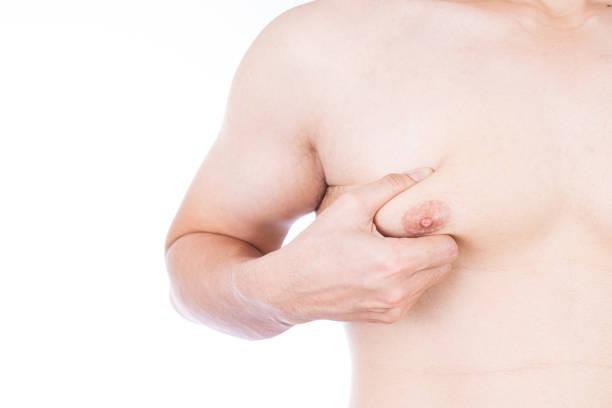
Gynecomastia is a common condition in men that causes enlarged breast tissue, sometimes affecting confidence, body image, and everyday comfort. Many men consider surgery to achieve a flatter, firmer, and more masculine chest. However, one important question often comes before making a decision: are the results permanent? Understanding what influences long-term outcomes can help you make an informed choice. Gynecomastia Surgery in Riyadh offers men an opportunity to address excess breast tissue and achieve a more balanced chest appearance through an individualized treatment approach.
Before choosing treatment, patients often research gynecomastia surgery cost in riyadh alongside the expected results, recovery period, and long-term benefits. Although the overall treatment experience varies from person to person, understanding how surgery works and what happens after the procedure can help you set realistic expectations. The most important consideration is whether the removed breast tissue can return and how lifestyle choices influence the final outcome.
Are Gynecomastia Surgery Results Permanent?
Gynecomastia surgery generally provides long-lasting results because the procedure removes excess glandular breast tissue, and removed tissue does not normally grow back. However, permanent results depend on several factors, including hormonal balance, weight stability, overall health, and the surgical technique used.
Once the excess glandular tissue has been successfully removed, most patients enjoy a flatter chest for many years. Nevertheless, surgery cannot prevent every possible future change in the chest area. Significant weight gain, hormonal fluctuations, or certain medications may affect the appearance of the chest over time.
Can Breast Tissue Grow Back After Surgery?
In most cases, the glandular tissue removed during gynecomastia surgery does not return. However, some remaining breast tissue may enlarge if hormonal imbalances or other underlying medical conditions continue.
This is why identifying the original cause of gynecomastia is important before treatment. A proper medical assessment helps determine whether the condition is related to hormonal changes, medications, excess fatty tissue, or another health concern.
Does Weight Gain Affect Surgical Results?
Weight gain can influence the appearance of your chest after surgery. Although the removed glandular tissue generally does not regenerate, gaining a significant amount of weight may increase fat deposits around the chest.
This can make the chest appear fuller again, even when the original gynecomastia has been successfully treated. Maintaining a stable weight through balanced nutrition and regular physical activity helps preserve your results.
Factors That Influence Long-Term Gynecomastia Surgery Results
Several factors can affect how long your surgical results last. Understanding these considerations before treatment can help you protect your investment and maintain your desired chest appearance.
Hormonal Balance
Hormones play an important role in male breast development. Changes in testosterone and estrogen levels can contribute to gynecomastia. If an underlying hormonal problem remains untreated, it may affect the chest even after surgery. Addressing medical causes before treatment can support more predictable long-term outcomes.
Surgical Technique
The treatment technique also influences the final appearance. Some patients primarily have excess glandular tissue, while others have additional fat deposits. Depending on the individual's condition, treatment may involve glandular tissue removal, liposuction, or a combination of both.
Choosing an appropriate approach helps create a more natural-looking chest contour.
Lifestyle and General Health
Healthy lifestyle habits are important for maintaining surgical results. Regular exercise, balanced meals, and a stable body weight can help prevent unwanted fat accumulation. Patients should also avoid using performance-enhancing hormones or supplements without medical advice, as certain substances may contribute to breast tissue enlargement.
What Should You Expect After Gynecomastia Surgery?
Recovery is an important part of achieving satisfactory long-term results. Patients may experience swelling, bruising, tenderness, and temporary discomfort during the initial healing period. These effects gradually improve as the body recovers.
The Initial Recovery Period
During the first few weeks, patients are generally advised to avoid strenuous activities and follow their surgeon's instructions carefully. Wearing a recommended compression garment may help control swelling and support the chest during healing.
When Do Final Results Become Visible?
Although some improvements are noticeable shortly after surgery, swelling can temporarily affect the chest's appearance. As healing progresses, the chest gradually develops a more defined contour. Final results may take several months to become fully visible, depending on the individual's recovery.
How Can You Maintain Your Results?
Following post-operative instructions, maintaining a healthy weight, and attending recommended follow-up appointments can help preserve the outcome. Patients should also seek medical advice if they notice unusual swelling, new breast enlargement, or other unexpected changes.
Is Gynecomastia Surgery Worth Considering for Long-Term Results?
For men who experience persistent gynecomastia, surgery can be a suitable option when non-surgical approaches are unlikely to address the underlying glandular tissue. It can improve chest proportions, reduce unwanted fullness, and help patients feel more comfortable with their appearance.
However, surgery is not a weight-loss treatment or a solution for every cause of enlarged male breasts. A medical consultation is essential to understand the condition, discuss suitable treatment options, and establish realistic expectations.
Choosing an experienced medical team and following proper aftercare recommendations are important steps toward achieving results that remain stable over time.
Frequently Asked Questions
1. Are gynecomastia surgery results permanent?
Yes, results are generally long-lasting because the removed glandular tissue does not normally grow back. However, hormonal changes and significant weight gain may affect the chest's appearance.
2. Can gynecomastia return after surgery?
Gynecomastia can occasionally reappear if remaining tissue enlarges due to hormonal imbalances, certain medications, or other underlying factors. Proper evaluation helps reduce this possibility.
3. Does gaining weight affect gynecomastia surgery results?
Yes, significant weight gain can increase fat deposits around the chest and make it appear fuller. Maintaining a stable weight helps preserve the surgical outcome.
4. How long does it take to see the final results?
Initial improvements may be visible relatively early, but swelling gradually decreases during recovery. Final chest contours can take several months to become fully apparent.
5. Can exercise help maintain gynecomastia surgery results?
Yes, regular exercise supports overall fitness and helps maintain a stable weight. However, exercise cannot prevent hormonal changes or guarantee that gynecomastia will never return.
Book Your Consultation at Enfield Royal Clinic
If you are considering treatment for enlarged male breasts, professional guidance can help you understand your options and expected outcomes. Enfield Royal Clinic offers personalized consultations to assess your concerns, discuss suitable treatment approaches, and guide you through the process. Take the first step toward feeling more comfortable and confident with your chest appearance by arranging a consultation.










 Vietnam