

Building a Beautiful and Healthy Outdoor Space
A green, healthy lawn can make a property look more attractive while creating a comfortable outdoor environment for everyday activities. Whether homeowners enjoy spending time outdoors, hosting family gatherings, or simply maintaining an appealing landscape, healthy grass makes a noticeable difference. However, maintaining a beautiful lawn requires more than occasional mowing and watering. Soil conditions, nutrient availability, seasonal weather, and proper maintenance all influence grass growth. Developing a consistent lawn care routine helps address these factors and creates better conditions for a strong, attractive landscape throughout the year.
Understanding the Importance of Lawn Nutrition
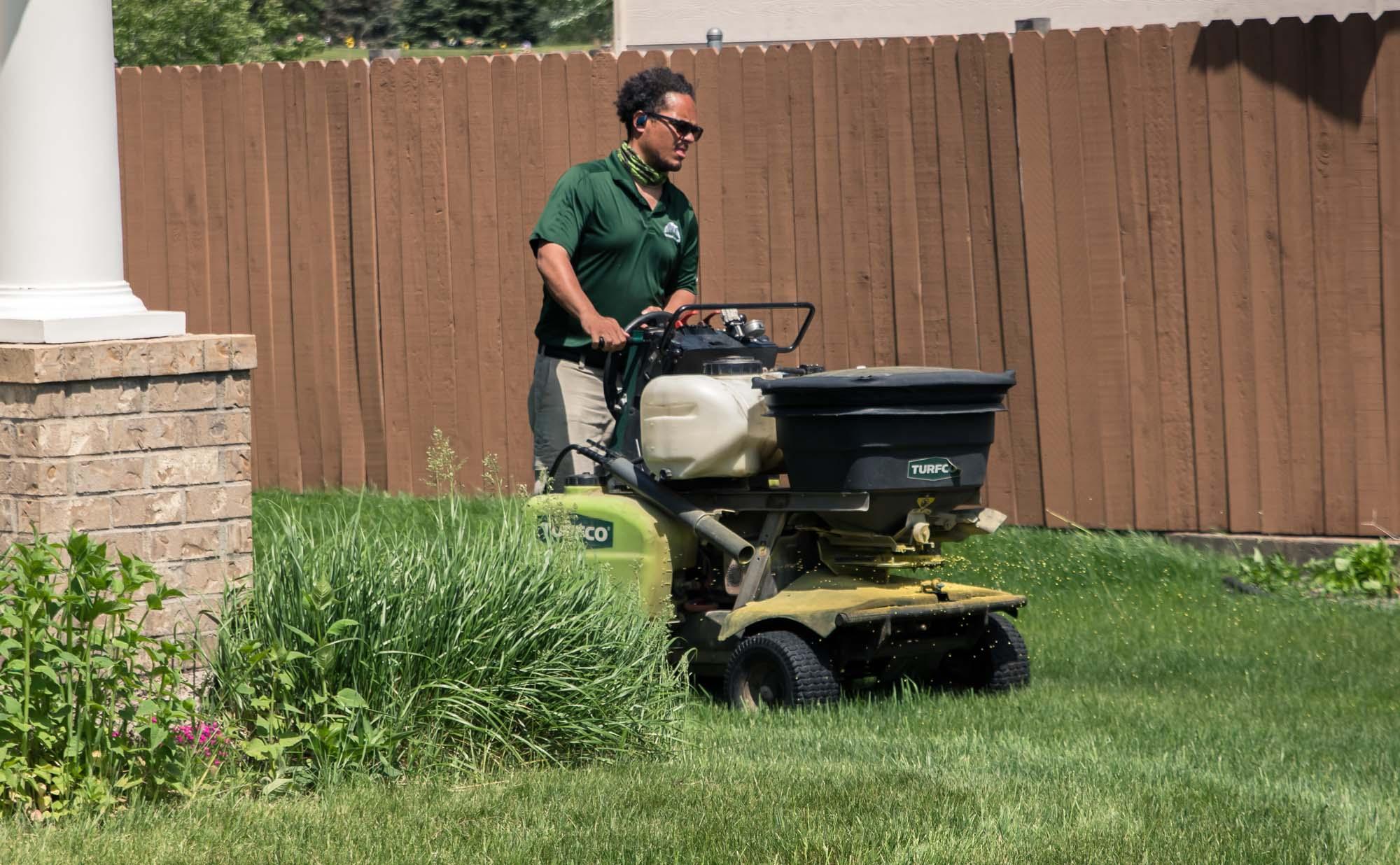
Grass needs essential nutrients to grow properly, maintain its color, and develop a healthy root system. When the soil lacks important nutrients, lawns may develop pale patches, slow growth, or weakened grass. Professional Lawn Fertilization Services in Fruitland Park FL can help homeowners address their lawn's nutritional requirements. Proper fertilization supports healthy growth by supplying nutrients that may be missing from the soil. However, applying the correct product in suitable amounts is important. Excessive fertilizer can create unnecessary stress, while an unsuitable application schedule may prevent grass from receiving the benefits it needs.
Recognizing Signs of Nutrient Deficiencies
A lawn may show several visible signs when its growing conditions are not ideal. Yellowing grass, uneven growth, thinning areas, and poor recovery after mowing can indicate possible nutrient deficiencies. However, these symptoms may also result from improper watering, compacted soil, drainage problems, or pest activity. Identifying the actual cause is essential before selecting a treatment. Applying fertilizer without understanding the problem may not produce the desired improvement. Observing changes in grass color, growth patterns, and soil conditions can help homeowners make more informed decisions about maintaining their outdoor spaces.
Choosing the Right Fertilization Approach
Different grass varieties and soil conditions have different nutritional requirements. Factors such as sunlight exposure, rainfall, soil composition, and seasonal growth patterns influence the type and timing of fertilizer applications. A suitable fertilization approach considers these conditions instead of relying on the same treatment throughout the year. Applying nutrients at appropriate intervals can support steady growth and improve the lawn's ability to recover from everyday environmental stress. Homeowners should also follow product instructions carefully and avoid applying more fertilizer than recommended.
Maintaining Consistent Lawn Care
Fertilization is only one part of maintaining an attractive landscape. Lawn Care Services in Fruitland Park FL are worth considering when homeowners want to maintain healthy grass and keep their outdoor spaces looking organized. Regular lawn maintenance may involve mowing, edging, weed management, watering guidance, and monitoring overall grass condition. These activities work together to support a balanced outdoor environment. Keeping up with basic maintenance also makes it easier to recognize developing problems before they become more difficult to manage.
Understanding Proper Watering Practices
Water plays an essential role in grass development because it helps transport nutrients through the soil and supports important plant functions. However, both insufficient and excessive watering can create problems. Lawns that receive too little moisture may become dry, weak, and discolored, while overly wet conditions can encourage unwanted growth and affect root health. Homeowners should consider local weather conditions, soil drainage, and grass requirements when establishing a watering routine. Watering appropriately and avoiding unnecessary irrigation can help maintain suitable growing conditions while reducing water waste.
Managing Weeds and Common Lawn Problems
Weeds can compete with grass for sunlight, moisture, and nutrients, making it more difficult to maintain a thick and attractive lawn. Some unwanted plants spread quickly and may occupy open spaces where grass is already weak. Regular mowing, suitable fertilization, and proper watering can help encourage stronger grass growth. However, persistent weed problems may require additional attention. Homeowners should identify the type of weed before selecting a control method because different plants respond to different treatments. Addressing underlying lawn conditions is also important for reducing opportunities for unwanted growth.
Adapting Lawn Maintenance to Seasonal Conditions
Weather changes influence how grass grows and how much attention a lawn requires. Temperature, rainfall, sunlight, and humidity can all affect nutrient needs and watering frequency. During active growing periods, lawns may require more frequent mowing and appropriate nutritional support. During slower growth periods, maintenance routines may need adjustment. Monitoring the lawn throughout changing seasons helps homeowners respond to its actual condition rather than following an inflexible schedule. Seasonal maintenance also provides opportunities to inspect soil conditions, identify thinning areas, and address developing concerns.
Supporting Long-Term Lawn Health
A healthy lawn is the result of consistent care and attention to several important factors. Appropriate fertilization, regular mowing, balanced watering, and timely weed management all contribute to stronger grass and a more attractive outdoor environment. Homeowners who understand their lawn's specific needs can make better maintenance decisions and avoid unnecessary treatments. By combining proper nutrition with practical maintenance habits, property owners can create outdoor spaces that remain green, comfortable, and welcoming. A well-planned lawn care routine supports lasting improvements while helping preserve the beauty and usability of the property.









 English