

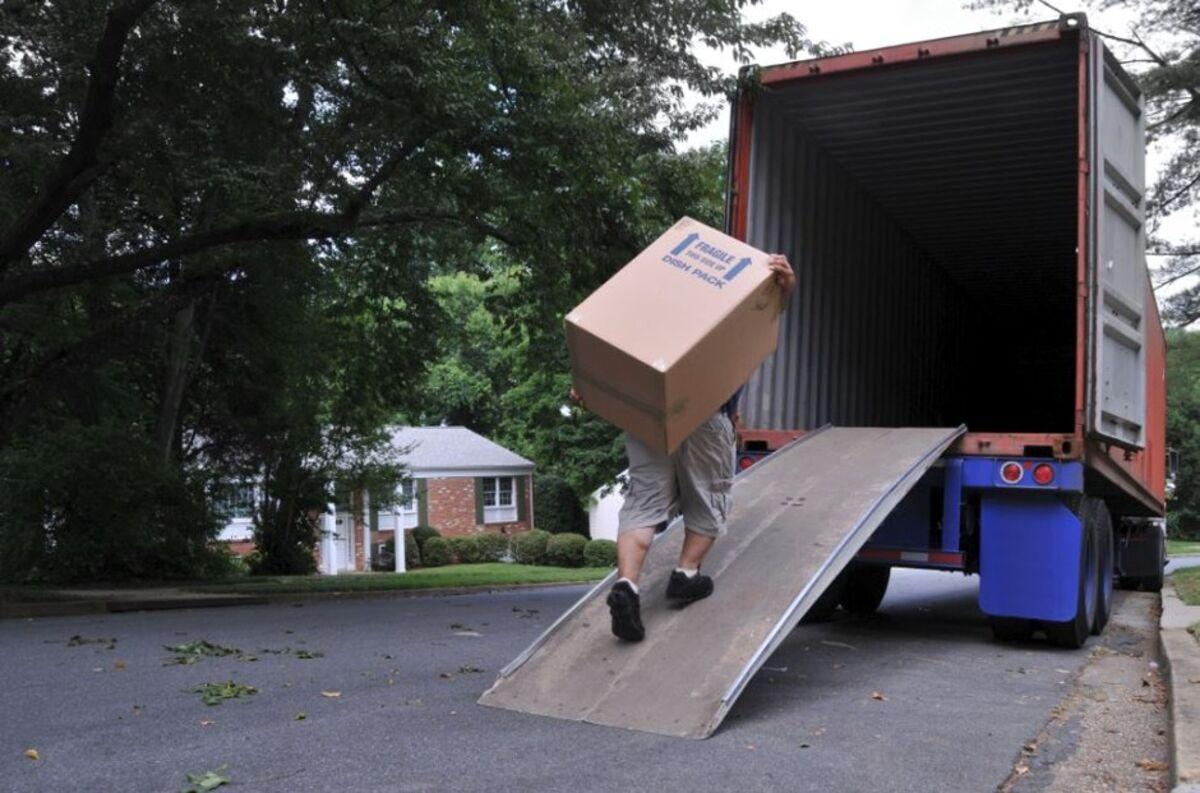
Planning a Successful Long-Distance Move
Moving to a new home is an important life change that often involves excitement, preparation, and several responsibilities. When the move covers a long distance, the process can become even more challenging. Families must organize their belongings, arrange transportation, manage schedules, and make sure everything arrives safely at the new destination. Without proper preparation, even small details can create unnecessary stress. A well-organized moving plan helps homeowners stay focused and manage each stage more efficiently. From sorting household items to preparing furniture for transportation, every step deserves attention. Understanding what to expect and making arrangements early can help create a smoother relocation experience while allowing families to focus on settling into their new surroundings.
Understanding the Needs of a Long-Distance Move
Long-distance relocation requires more coordination than a typical local move. The transportation process may involve several hours or days of travel, depending on the distance and destination. Household belongings must be packed securely to handle movement during transportation, while important items should remain organized and accessible. Professional Residential Long-Distance Moving Services Batesburg-Leesville SC can be explored by homeowners who need assistance organizing a move to another city or state. Professional moving support can help with important tasks such as loading, transportation, and unloading. Planning these arrangements ahead of time allows families to understand their moving requirements and prepare for the transition with greater confidence.
Creating a Practical Moving Checklist
A moving checklist is one of the simplest ways to keep a relocation organized. Instead of handling everything at the last minute, homeowners can divide responsibilities into smaller tasks and complete them over several weeks. Important activities may include arranging moving dates, gathering packing supplies, sorting belongings, updating contact information, and preparing the new home. Keeping a written list also makes it easier to track completed tasks and identify anything that still needs attention. Families should prioritize important arrangements first, especially those involving transportation, housing, and essential documents. A clear checklist reduces confusion and helps everyone understand their responsibilities throughout the moving process.
Sorting and Organizing Household Belongings
Packing provides an excellent opportunity to organize household items before relocating. Many families accumulate belongings they no longer use, including old clothing, damaged furniture, unused appliances, and miscellaneous household products. Sorting these items before packing can reduce the total volume that needs transportation. Homeowners can separate belongings into categories such as keep, donate, sell, and discard. Items that will be needed immediately after arrival should be packed separately from belongings intended for long-term storage. This approach makes unpacking easier and helps prevent unnecessary clutter in the new home. Organizing possessions early can also make the packing process more manageable.
Protecting Furniture and Fragile Items
Household belongings require appropriate protection during a long-distance move. Furniture can become scratched or damaged if it is not properly wrapped and secured. Fragile belongings such as glassware, dishes, mirrors, and decorative items need additional cushioning to reduce the risk of breakage. Strong boxes, packing paper, bubble wrap, and protective blankets can help safeguard different types of possessions. Heavy items should be packed in smaller boxes to make lifting easier, while lighter belongings can be placed in larger containers. Labeling boxes according to their contents and destination rooms also helps keep everything organized. Careful packing protects valuable belongings and makes unloading more efficient.
Preparing for Moving Day
Moving day can involve several activities happening at the same time, so preparation is essential. Homeowners should make sure boxes are sealed, pathways are clear, and essential belongings are separated from items being loaded onto the moving vehicle. Keeping important documents, medications, chargers, personal valuables, and basic supplies nearby can prevent unnecessary searching later. It is also helpful to confirm transportation arrangements and communicate any special handling requirements in advance. Families with children or pets should make separate arrangements to keep them comfortable and safe during the loading process. Having a clear plan helps reduce last-minute confusion and allows the relocation to proceed more smoothly.
Choosing the Right Moving Assistance
Selecting a moving provider is an important part of preparing for a successful relocation. Homeowners should consider experience, communication, available services, transportation arrangements, and pricing when comparing their options. It is useful to explain the size of the household, moving distance, number of rooms, and any items that require special handling. These details can help establish realistic expectations and reduce misunderstandings. Reliable Moving Services Batesburg-Leesville SC can be explored when researching assistance for household relocation needs. Before making arrangements, homeowners should ask about service details, estimated costs, scheduling, and the responsibilities involved in the moving process.
Staying Organized During Transportation
Once belongings are loaded, keeping track of important moving information becomes essential. Homeowners should retain relevant contact details, moving documents, and destination information in an accessible place. It is also helpful to maintain an inventory of valuable or important household items. This makes it easier to check belongings after arrival and identify anything that may need attention. Families should also prepare for possible schedule adjustments caused by traffic, weather, or other travel conditions. Staying informed and maintaining communication throughout transportation can make the experience more predictable and less stressful.
Making the New House Feel Like Home
Arriving at a new property is only the beginning of the relocation process. Unpacking strategically can help families settle in without feeling overwhelmed. Starting with essential rooms such as the kitchen, bedrooms, and bathrooms makes the home functional sooner. Clearly labeled boxes help identify important belongings without opening every container. Homeowners should also check major appliances, utilities, locks, and other essential features after arrival. Taking time to organize each room gradually allows everyone to become comfortable with the new environment. Exploring nearby services, stores, and community facilities can also help make the transition easier.
Enjoying a Smoother Relocation Experience
A long-distance move involves many details, but careful preparation can make the process considerably easier. Organizing belongings, creating a checklist, protecting fragile items, and arranging suitable transportation all contribute to a successful relocation. Choosing appropriate professional assistance can also reduce the workload and help homeowners manage important moving responsibilities. By planning and staying organized throughout every stage, families can protect their possessions and approach their next chapter with greater peace of mind.







 English