

Understanding the Importance of a Pest-Free Home
A comfortable home should provide a clean, relaxing, and secure environment for everyone living there. However, unwanted pests can interfere with everyday routines and create concerns for homeowners. Some infestations develop gradually, making them difficult to recognize until visible signs appear. Bed bugs, ants, cockroaches, rodents, and other household pests can enter through different pathways and spread when conditions allow. Understanding how infestations develop and taking appropriate action can help homeowners protect their living spaces. Regular inspections, good housekeeping, and timely professional assistance all contribute to effective pest management.
Recognizing the Signs of Bed Bug Activity
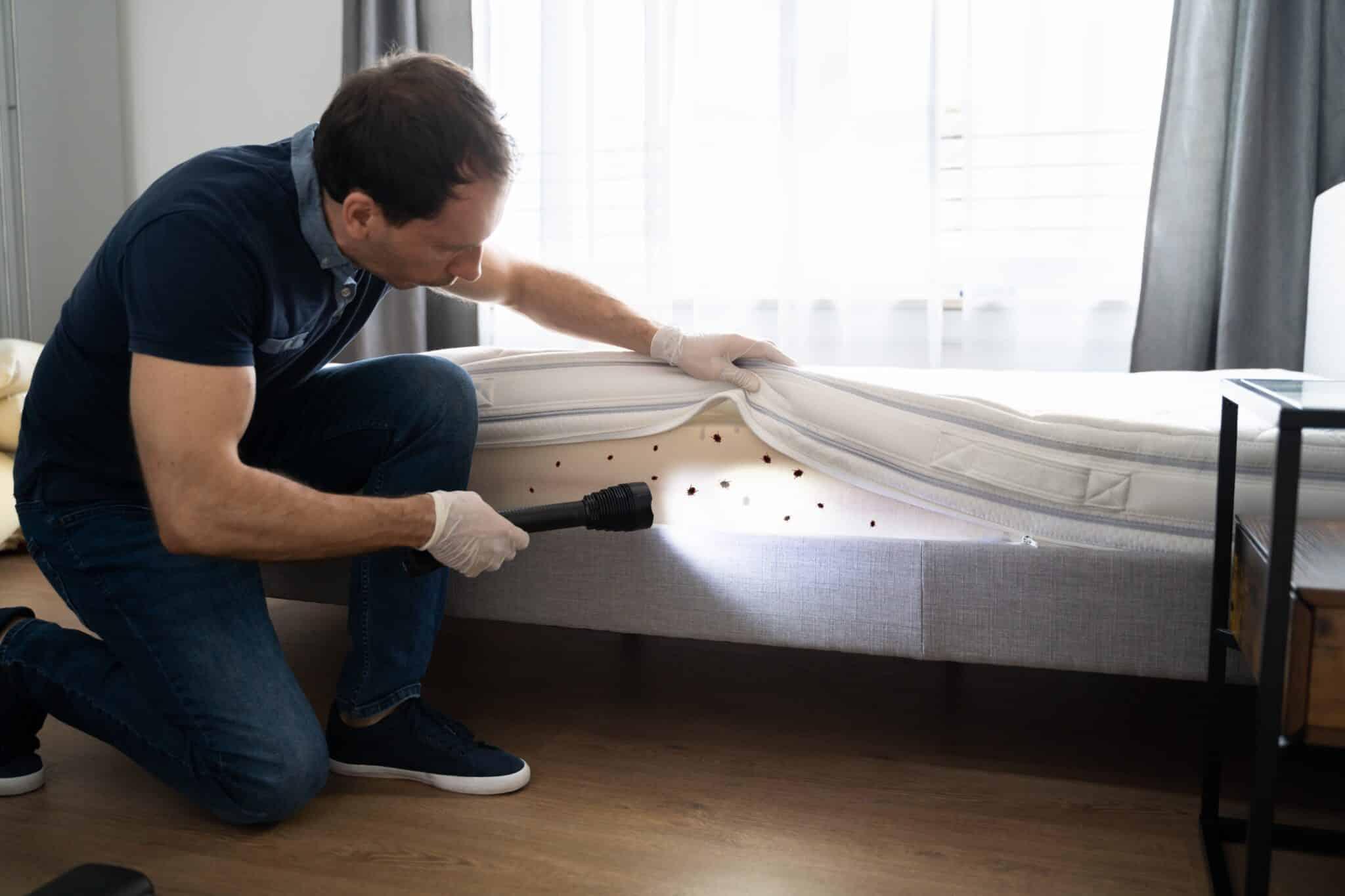
Arranging Residential Bed Bug Removal Services Fort Wayne IN can help homeowners address an infestation before it becomes more difficult to manage. Bed bugs are small insects that commonly hide in mattress seams, bed frames, furniture joints, and cracks near sleeping areas. Because they are active mainly at night, many people may not notice them immediately. Possible warning signs include small dark spots on bedding, shed insect skins, tiny blood marks, and live insects around sleeping spaces. Some individuals may also develop itchy skin reactions, although bites alone cannot confirm the presence of bed bugs.
Understanding How Bed Bugs Spread
Bed bugs can move from one location to another by hiding inside luggage, clothing, used furniture, and other personal belongings. They do not necessarily indicate poor housekeeping, as even clean homes can experience infestations. Shared living environments, frequent travel, and secondhand furniture can create opportunities for these insects to enter a property. Once inside, they may hide in small spaces and spread to nearby rooms. Understanding these pathways can help homeowners take preventive measures, especially when bringing previously used items into the home or returning from trips.
Why Early Detection Makes a Difference
Identifying bed bug activity early can make treatment planning more manageable. Homeowners should periodically check mattress seams, headboards, bed frames, upholstered furniture, and nearby cracks. When suspicious signs appear, it is important to avoid moving potentially infested belongings throughout the property. Randomly applying household insecticides may not address hidden insects or their eggs and could create additional problems if products are used incorrectly. A careful assessment helps determine whether bed bugs are present and what treatment approach may be appropriate for the affected areas.
Preparing Your Home for Treatment
Proper preparation can support a more organized pest management process. Depending on the treatment method, homeowners may need to remove clutter, wash certain fabrics, empty designated storage areas, or provide access to furniture and other potential hiding places. Bedding and washable clothing should be handled according to appropriate cleaning instructions. Items that have been treated or cleaned should be kept separate from potentially infested belongings to reduce the possibility of reinfestation. Following the preparation instructions provided by pest management professionals is important because requirements can vary depending on the property and treatment approach.
The Value of Professional Pest Management
Choosing Professional Pest Control Services can help homeowners address different pest concerns through a more organized approach. Different insects and rodents require different identification and management methods, so determining the source of a problem is an important first step. Professional assessments can help identify pest activity, possible entry points, and areas that may require attention. Treatment recommendations should consider the type of pest, the extent of the problem, and the conditions inside the property. Homeowners should also understand any safety instructions associated with the recommended treatment.
Maintaining Clean and Organized Living Spaces
Good housekeeping practices can help reduce conditions that attract certain household pests. Regularly vacuuming floors, cleaning kitchen surfaces, removing food waste, and storing food in sealed containers can make a home less inviting to insects and rodents. Fixing leaking faucets and addressing moisture problems can also reduce access to water. Although cleanliness alone cannot prevent every infestation, consistent maintenance makes it easier to identify unusual activity and manage common pest concerns. Paying attention to storage areas, closets, basements, and other less frequently used spaces is equally important.
Sealing Entry Points and Reducing Hiding Places
Many household pests enter through small openings around doors, windows, pipes, vents, and foundations. Inspecting these areas and sealing suitable gaps can help reduce opportunities for unwanted insects and rodents to enter. Window screens should be maintained, door sweeps should fit properly, and damaged weatherstripping should be addressed. Inside the home, reducing unnecessary clutter can make potential hiding places easier to inspect. These preventive measures work alongside appropriate pest treatments and help create a less favorable environment for recurring pest activity.
Protecting Your Family and Household Belongings
Pest management should always consider the safety of household members, including children and pets. Before using any pesticide or treatment product, read the label carefully and follow all directions. Products should never be applied in ways that are not permitted by their instructions. Homeowners should also communicate any relevant household concerns to the pest management professional before treatment begins. Proper preparation, responsible product use, and compliance with safety recommendations help reduce unnecessary exposure while addressing the infestation.
Building a Long-Term Pest Prevention Routine
Maintaining a pest-free home requires more than responding to visible problems. Regular inspections, proper food storage, moisture control, and attention to possible entry points can help reduce future pest concerns. When an infestation occurs, identifying the pest correctly and selecting an appropriate treatment approach are essential steps. Professional guidance can also help homeowners understand follow-up inspections and any additional measures needed after treatment. By combining preventive habits with timely attention, homeowners can maintain a cleaner, more comfortable living environment and better protect their property over time.








 Vietnam