

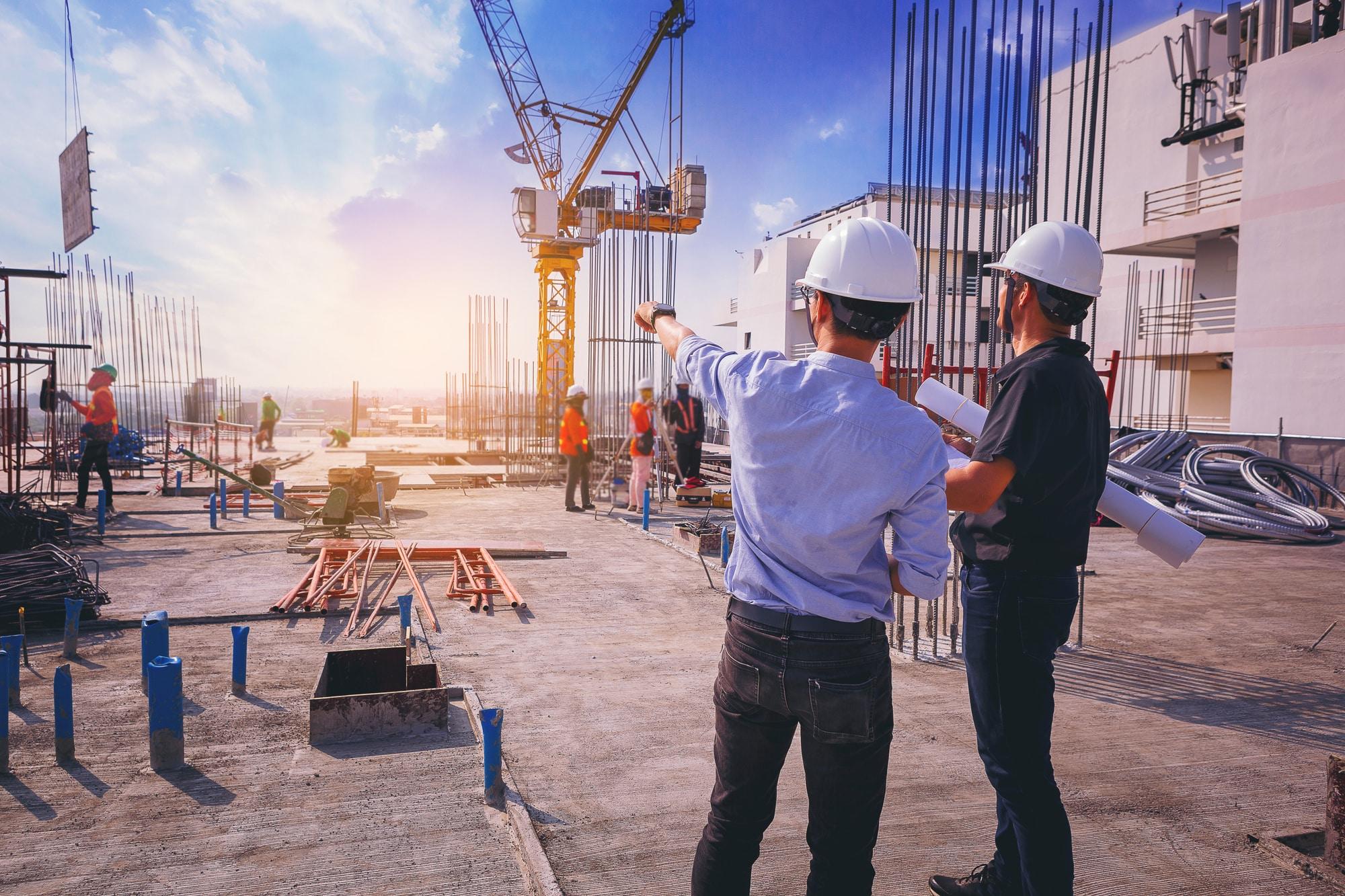
Understanding the Foundations of Commercial Construction
Commercial construction involves careful planning, skilled coordination, and attention to detail at every stage. Whether developing an office building, retail space, warehouse, or another business property, the process requires more than simply completing physical work. Property owners must consider building requirements, budgets, materials, schedules, and the needs of future occupants. Every decision can influence the project's overall quality and functionality. A well-organized approach helps reduce unnecessary complications and creates a stronger foundation for long-term building performance. Understanding the different stages of construction allows business owners to make informed decisions and prepare for a smoother development process.
Planning a Project With Clear Objectives
Investing in Commercial Construction in Lake Charles LA starts with understanding the purpose and requirements of the proposed building. Different commercial properties serve different functions, so their layouts, materials, and structural features should reflect their intended use. An office may require comfortable workspaces and meeting rooms, while a warehouse may need practical storage areas and efficient loading access. Establishing clear objectives early helps guide design decisions and prevents confusion as the project develops. Property owners should also consider future business needs so that the finished space remains useful as operations grow or change.
Establishing a Realistic Construction Budget
Budget development is one of the most important parts of preparing for a commercial building project. Expenses may include design services, labor, construction materials, equipment, permits, inspections, and site preparation. Unexpected conditions can also affect the total cost, making it important to maintain some financial flexibility. Comparing material options and reviewing project requirements can help property owners understand where resources should be allocated. A realistic budget provides a clearer picture of what can be accomplished and helps prevent financial decisions from disrupting the construction schedule.
Choosing Materials for Long-Term Performance
Material selection affects a commercial building's durability, appearance, maintenance requirements, and overall functionality. Flooring, roofing, structural components, exterior finishes, insulation, and interior surfaces should all be selected according to the property's intended use. Buildings that experience heavy daily traffic may require particularly durable materials, while office environments may benefit from finishes that create a comfortable atmosphere. Weather conditions and maintenance expectations should also influence decisions. Choosing suitable materials from the beginning can help reduce future repair needs and support the building's long-term performance.
Coordinating Different Construction Activities
Commercial projects involve several connected tasks that must be completed in an organized sequence. Site preparation, foundation work, structural framing, electrical installations, plumbing, roofing, and interior finishing all require proper coordination. Delays in one area can affect other activities and create scheduling challenges. Clear communication between the people involved helps establish responsibilities and keeps work moving according to the project plan. Regular progress reviews can also identify potential problems before they become more difficult or expensive to address.
The Importance of Professional Project Management
General contracting services can play an important role in coordinating different aspects of a construction project. General contracting involves managing construction activities, organizing subcontractors, overseeing schedules, and helping ensure that work follows established plans. Having a coordinated approach can make communication easier for property owners who may not have experience managing multiple construction responsibilities. It also provides a clearer structure for handling questions, reviewing progress, and addressing changes that arise during the building process. Good project management supports consistency and helps keep important priorities in focus.
Creating Functional and Efficient Building Layouts
A commercial building should support the daily activities that take place inside it. The arrangement of rooms, entrances, corridors, workspaces, storage areas, and shared facilities can influence how efficiently people use the property. A thoughtful layout considers movement, accessibility, available space, and the needs of employees, customers, and visitors. For example, a retail property may benefit from an organized customer flow, while an office building may require a practical balance between private work areas and collaborative spaces. Planning these details carefully helps create an environment that serves its intended purpose.
Meeting Building Codes and Safety Requirements
Commercial construction must account for applicable building codes, safety standards, permits, and inspection requirements. These regulations help establish minimum expectations for structural integrity, accessibility, electrical systems, fire protection, and other important building features. Requirements can vary depending on the project type and location, so they should be reviewed before construction begins. Addressing compliance early helps reduce the risk of avoidable delays and costly corrections. Safety should remain a priority throughout the project, from initial site preparation to the final stages of construction.
Managing Time and Construction Schedules
An organized timeline helps property owners understand how the project will progress. Construction schedules typically include design coordination, approvals, material deliveries, site preparation, building activities, inspections, and finishing work. Each stage depends on the completion of certain tasks, making realistic scheduling essential. Weather conditions, supply availability, and unexpected site issues may affect planned dates. Allowing reasonable flexibility can help manage these challenges while keeping the overall project objectives in sight. Regular communication about progress also makes it easier to adjust plans when necessary.
Maintaining Quality Throughout the Building Process
Quality should be considered at every stage rather than only when construction is nearly finished. Reviewing materials, checking completed work, and addressing concerns promptly can help maintain consistent standards. Attention to structural details, installations, finishes, and overall workmanship contributes to a building that performs as expected. Property owners should remain involved in important decisions and communicate any concerns clearly. A consistent focus on quality helps reduce avoidable defects and supports the long-term usefulness of the finished property.
Building a Stronger Future for Your Business
A commercial construction project represents an important investment in a business's future. Careful planning, suitable materials, effective coordination, and responsible project management all contribute to a successful outcome. By considering practical requirements alongside appearance and long-term performance, property owners can create spaces that support daily operations and future development. Taking time to organize each stage makes the process more manageable and helps establish a commercial property that serves its intended purpose for years to come.







 Vietnam